

By Anscella Obike
Nigeria loses an estimated N5 trillion annually to poor logistics, a staggering figure that exposes one of the country’s most overlooked barriers to economic growth. Beyond the financial loss lies a deeper crisis that affects every segment of the economy, from farmers struggling to get produce to market and manufacturers grappling with rising operating costs to consumers paying ever-higher prices for basic goods.
The warning, issued by industry leaders during the 10th Anniversary Lecture of City Business News in Lagos, has renewed calls for urgent reforms to Nigeria’s logistics ecosystem. Stakeholders argue that unless the country addresses its transport bottlenecks, fragmented supply chains and policy inefficiencies, efforts to curb inflation, improve food security and diversify the economy will continue to yield limited results.
The annual N5 trillion loss is not merely a statistic; it represents wasted economic opportunities, avoidable business costs and declining national competitiveness.
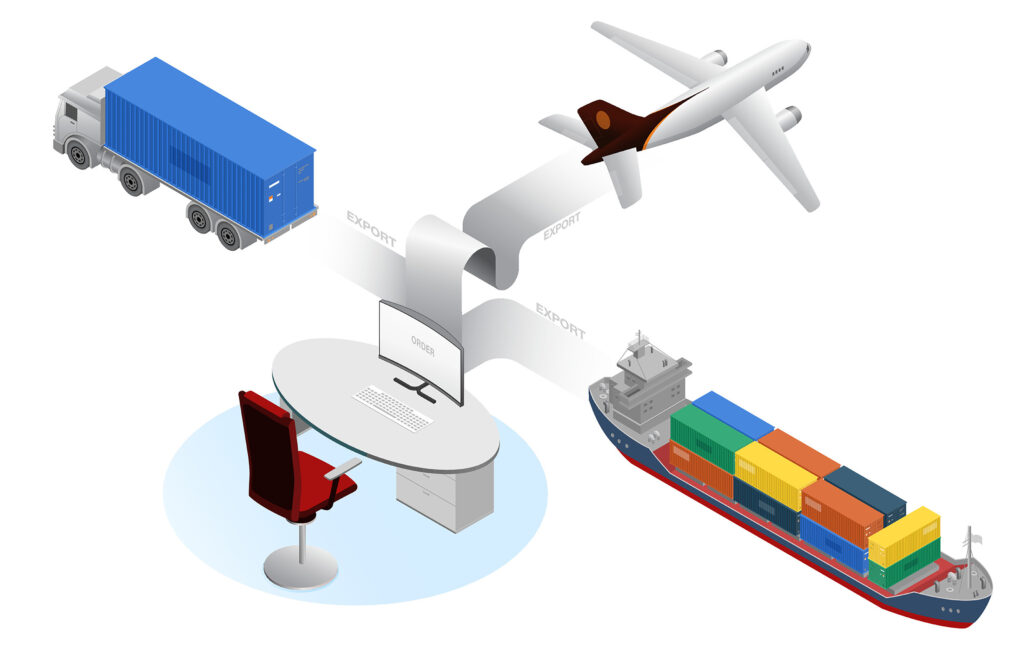
At the heart of the crisis is Nigeria’s inability to move goods efficiently across its vast geography. Despite being Africa’s largest economy, the country continues to rely almost exclusively on road transport, much of which is hampered by dilapidated infrastructure, traffic congestion, multiple checkpoints and high fuel costs. These structural weaknesses have transformed logistics into one of the costliest components of doing business in Nigeria. The consequences are particularly severe for agriculture.
Industry experts estimate that between 30 million and 40 million metric tonnes of agricultural produce are lost every year before reaching consumers because of poor transportation, inadequate storage facilities and inefficient distribution networks. These post-harvest losses, valued at between $2.3 billion and $3.3 billion annually, significantly reduce farmers’ incomes while worsening food shortages across the country.
Ironically, Nigeria continues to invest heavily in boosting agricultural production, yet much of the harvest never reaches the marketplace. The disconnect illustrates a fundamental truth: increasing food production alone cannot guarantee food security if the logistics systems required to move produce from farms to consumers remain dysfunctional.
This explains why food inflation has remained stubbornly high despite various government interventions aimed at supporting farmers. When vegetables, grains and other perishables spoil on highways or remain stranded because of transportation delays, supply shrinks while demand remains constant, inevitably driving up prices.

Speaking at the event, the President of the Chartered Institute of Logistics and Transport (CILT) and former Corps Marshal of the Federal Road Safety Corps, Dr. Boboye Oyeyemi, described logistics as a strategic national asset that deserves far greater policy attention.
According to him, logistics currently contributes only about 3.73 per cent to Nigeria’s Gross Domestic Product, a figure that falls well below its actual economic potential. In more advanced economies, efficient logistics systems serve as the backbone of industrial productivity, trade expansion and export competitiveness. Nigeria, however, continues to lose enormous value because its supply chains remain fragmented and poorly coordinated.
The manufacturing sector is equally burdened by these inefficiencies. Manufacturers routinely face delays in receiving raw materials, while finished goods often spend days or even weeks navigating congested transport corridors before reaching distributors and consumers. Every additional day spent in transit increases warehousing expenses, fuel consumption and inventory costs, all of which are ultimately passed on to consumers through higher prices.
The country’s exporters also suffer. Agricultural exporters frequently struggle to meet international delivery schedules because of poor connectivity between production centres, inland transport networks and seaports. These delays reduce Nigeria’s competitiveness in global markets and discourage foreign buyers who increasingly demand reliable and predictable supply chains.
Another major contributor to the crisis is the proliferation of road checkpoints. Transport operators have repeatedly complained about numerous security and regulatory checkpoints scattered across major highways. Aside from increasing travel times, these checkpoints often result in unofficial levies that significantly inflate transportation costs. Industry estimates suggest that truck operators spend between N150,000 and N250,000 per trip on various unofficial payments before reaching their destinations. Such costs inevitably find their way into the prices consumers pay for food, construction materials, pharmaceuticals and other essential commodities.
The recent increase in diesel prices has further compounded the situation. Since over 90 per cent of Nigeria’s freight movement depends on diesel-powered trucks, fluctuations in fuel prices have an immediate and widespread impact on logistics costs across virtually every sector of the economy.
For businesses already grappling with inflation, foreign exchange volatility and rising production expenses, logistics has become another significant cost burden. Stakeholders believe the solution lies in adopting a comprehensive national logistics strategy rather than isolated infrastructure projects. Among the proposals advanced are massive investments in multimodal transportation systems that better integrate roads, railways and inland waterways.
Such an approach would reduce the excessive dependence on road transport while improving efficiency and lowering freight costs. Industry leaders also advocate reducing unnecessary checkpoints, accelerating the adoption of compressed natural gas (CNG)-powered trucks, encouraging dual-fuel vehicle technology and deploying digital logistics platforms capable of improving cargo tracking and supply chain coordination.
Equally important is regulatory reform. Nigeria’s logistics sector remains fragmented across multiple agencies with overlapping mandates, often creating bureaucratic delays and inconsistent policies. A more coordinated institutional framework could significantly improve efficiency while attracting greater private sector investment into logistics infrastructure. Encouragingly, the Federal Government has in recent years increased investments in railway development, inland dry ports and port modernisation. While these projects represent important steps towards improving national connectivity, experts insist that infrastructure investment alone will not resolve the crisis unless accompanied by regulatory reforms, better maintenance, technology adoption and stronger inter-agency coordination. The economic benefits of fixing Nigeria’s logistics system would extend well beyond transportation. Lower logistics costs would reduce food prices, minimise post-harvest losses, improve farmers’ earnings and strengthen national food security. Manufacturers would become more competitive, exporters would gain easier access to international markets, and investors would find Nigeria a more attractive destination for industrial expansion. Perhaps most importantly, improving logistics would enhance productivity across virtually every sector of the economy without requiring costly government subsidies or new taxation measures.
The estimated N5 trillion lost annually should therefore be viewed not simply as the cost of poor transportation but as the price Nigeria pays for years of underinvestment, weak coordination and delayed reforms.
As the country seeks sustainable pathways to economic recovery and inclusive growth, logistics reform is emerging as one of the most impactful interventions available. Efficient supply chains are no longer a luxury reserved for advanced economies; they are an essential foundation for industrialisation, food security, trade competitiveness and national prosperity. The message from industry stakeholders is unmistakable: Nigeria cannot build a globally competitive economy while its goods remain trapped on broken roads, congested highways and inefficient supply chains. Unlocking the country’s economic potential will require more than producing goods; it will require moving them quickly, efficiently and affordably.
