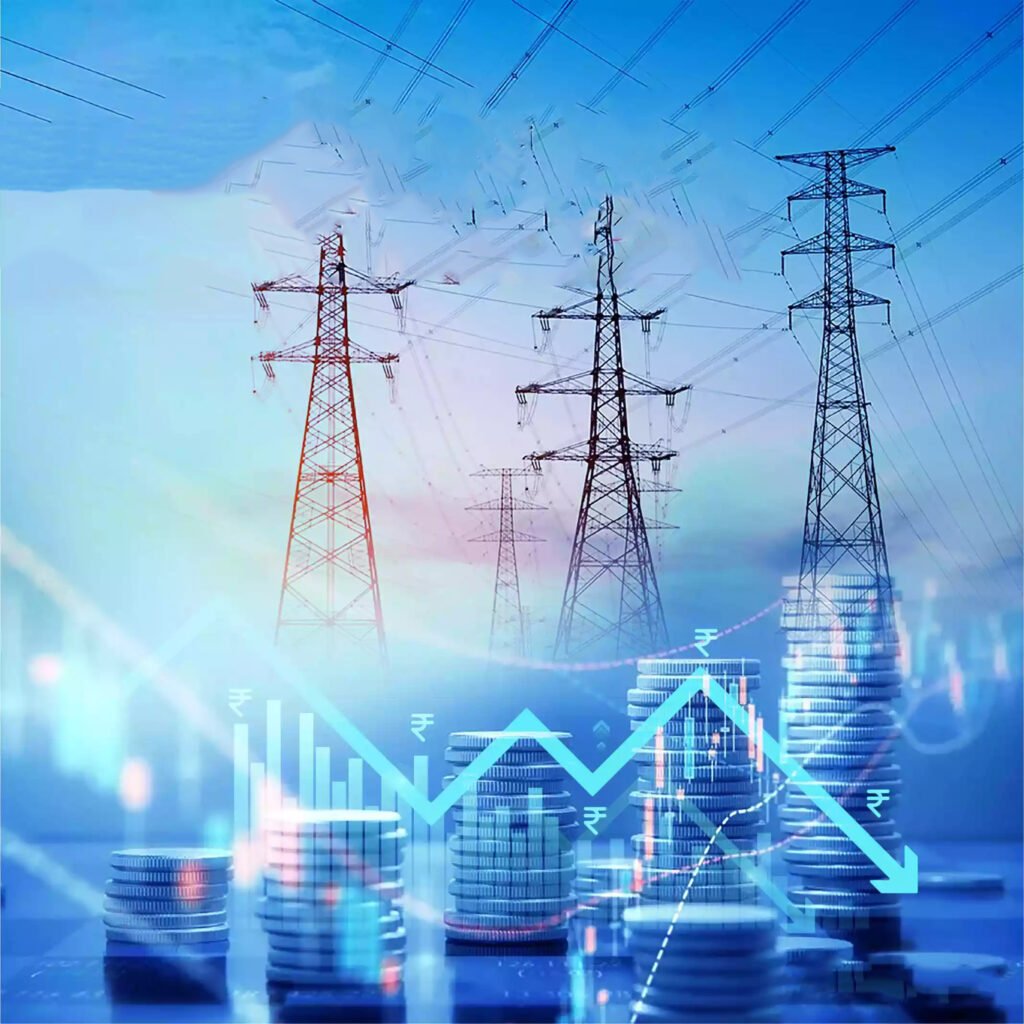
With a N333bn payout and a N729bn bond issuance, the Federal Government turns to capital markets to rescue Nigeria’s power grid. But will it be enough to end the blackouts?
By Jauhar Suleiman Salihu
The Federal Government has disbursed about N333 billion to 8 electricity Generation Companies under the Presidential Power Sector Debt Reduction Programme.
The payment was announced at an NBET investors’ forum in Abuja, alongside plans for a second N729 billion bond issuance to clear more legacy debts in the Nigerian Electricity Supply Industry, NESI.
The move comes as generation companies continue to battle cash flow constraints, unpaid gas invoices, and declining output.
From Cash to Capital Market: A New Debt Model
Rather than direct budget releases, the government is now securitising power sector debt. The N729bn bond is the second tranche, following the successful N501bn Series I bond issued earlier.
Officials say the instruments will give Gencos tradable assets they can discount with banks to raise immediate working capital, instead of waiting indefinitely for budgetary allocation.

Minister of Power, Joseph Tegbe, said the strategy is to “restore investor confidence and break the cycle of debt that has crippled the value chain.”
The Debt Gap: N4tn vs N7tn
At the forum, FG stated that verified power sector debt stands at approximately N4 trillion. However, Gencos insist the figure is closer to N7 trillion when unpaid gas bills, interest, and forex losses are included.
The N333bn payment and the proposed N729bn bond are therefore seen as the first major step to bridge the trust gap between government and private investors.
NBET CEO, Nnaemeka Eweluka, noted that clearing legacy debts is critical to ensuring GenCos can pay gas suppliers and sustain operations.
Impact on Generation and Investors
Genco executives say the funds will provide immediate relief. Sahara Power Group GMD, Kola Adesina, said with cleared debts, work could begin immediately on Egbin Phase 2 expansion.
Industry analysts argue that without resolving DisCo collection losses and unpaid MDA electricity bills, new debts will accumulate.
Data shows national generation dropped from about 5,000MW in late 2025 to around 3,000MW in Q1 2026, partly due to gas supply cuts over unpaid invoices.
What It Means for the Sector
The bond plan signals a shift toward market-based solutions for NESI’s liquidity crisis. If successful, it could unlock private capital and reduce the government’s direct fiscal burden.
However, experts warn that structural reforms must follow. These include cost-reflective tariffs, improved DisCo metering, and enforcement of payment by government agencies.
For investors, the key test will be whether the government honours the bond obligations on time and whether tariff adjustments are allowed to sustain the sector post-bailout.
Ultimately, the N333bn payout and N729bn bond represent the Tinubu administration’s first major financing intervention in power since 2023.
It offers short-term relief to Gencos and signals intent to de-risk the sector. But long-term stability will depend on fixing revenue collection, reducing technical losses, and ensuring policy consistency.
Until then, Nigerians will be watching to see if this debt plan translates into fewer blackouts and more megawatts on the grid.
