
By Anscella Obike
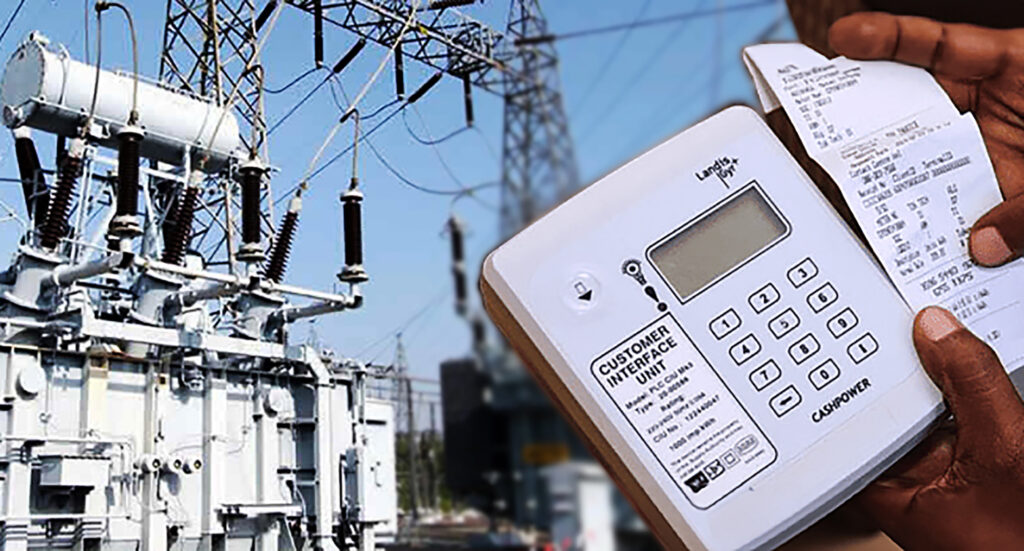
Nigeria’s electricity sector is once again facing a credibility crisis as the collapse of the band-based tariff regime and the failure of electricity distribution companies (DisCos) to meet service delivery targets expose the widening gap between policy promises and operational realities. Recent reports by Vanguard that many Band A customers are no longer receiving the promised minimum 20 hours of daily electricity despite paying significantly higher tariffs have intensified public frustration and renewed scrutiny of the country’s power reforms.
The Band A system was introduced as part of the government’s strategy to gradually liberalise electricity pricing while improving supply reliability. Customers classified under Band A were expected to receive at least 20 hours of electricity daily in exchange for premium tariffs. The arrangement was designed to create a performance-based market where consumers paid according to service quality. In theory, it represented a shift away from blanket subsidies toward cost-reflective pricing.
However, the current crisis suggests that the implementation framework may have been overly ambitious for the fragile structure of Nigeria’s electricity market. Consumers across several states now complain that power supply has fallen far below the guaranteed threshold, even as tariffs remain elevated. For many households and businesses, the result is a double burden: higher electricity bills alongside continued dependence on expensive diesel and petrol generators.
The situation has significant economic implications. Small businesses, manufacturers, restaurants, and service providers structured their operating costs around expectations of improved grid reliability. Instead, many now face unpredictable outages that increase operating expenses and reduce productivity. In an economy already struggling with inflation, currency volatility, and high energy costs, unreliable electricity further weakens competitiveness.
The crisis also raises questions about the financial sustainability of the power sector itself. The rationale behind higher Band A tariffs was that increased revenues would allow DisCos to improve infrastructure, reduce technical losses, and enhance service delivery. But if consumers perceive that they are paying more without receiving corresponding improvements, resistance to tariff adjustments is likely to intensify.
This creates a dangerous cycle. Electricity distributors argue that they need higher revenues to invest in networks and settle debts across the value chain. Consumers, meanwhile, increasingly resist payment because they believe the service remains poor. The federal government often steps in with interventions and subsidies to prevent total market collapse, but these interventions merely postpone deeper structural reforms.
One major challenge lies beyond the DisCos alone. Nigeria’s electricity value chain remains deeply interconnected, meaning failures in generation and transmission inevitably affect distribution performance. Even if DisCos improve local networks, inadequate gas supply, ageing transmission infrastructure, and frequent national grid collapses continue to limit available electricity. This means some distributors may genuinely struggle to meet Band A obligations because they are not receiving sufficient power allocations from upstream operators.

Nevertheless, critics argue that many DisCos have underperformed in areas directly under their control, including metering, infrastructure upgrades, customer service, and loss reduction. The sector still suffers from widespread electricity theft, poor billing systems, and weak investment capacity. Several operators continue to depend heavily on government support despite years of privatisation.
The broader political implications are equally important. Electricity reform has long been one of Nigeria’s most politically sensitive economic issues because power shortages affect nearly every aspect of daily life. When tariff increases are introduced without visible service improvements, public trust in reform programmes erodes rapidly. This could make future market-based reforms more difficult to implement.
Yet the current crisis may also serve as a turning point. Regulators may now face pressure to enforce stricter performance monitoring, compel refunds or tariff adjustments where service commitments are not met, and accelerate investments in decentralised energy solutions such as mini-grids and embedded generation. The federal government may also need to rethink whether the existing privatisation structure adequately balances commercial realities with public service obligations.
Overall, the collapse of the Band A promise reflects a deeper challenge confronting Nigeria’s power sector: the difficulty of imposing market pricing within an infrastructure system that remains structurally weak. Until generation, transmission, and distribution improve simultaneously, consumers may continue paying premium prices for a service that still falls short of expectations.
