

By Anastasia Adaeze
As the calendar turns and January 2026 unfolds, there is a subtle but unmistakable shift in the air. The world itself may look the same, yet something within feels renewed. This is not the rush of unrealistic resolutions or the pressure to reinvent everything overnight. It is a quieter readiness, a sense that you are prepared to move forward with intention.
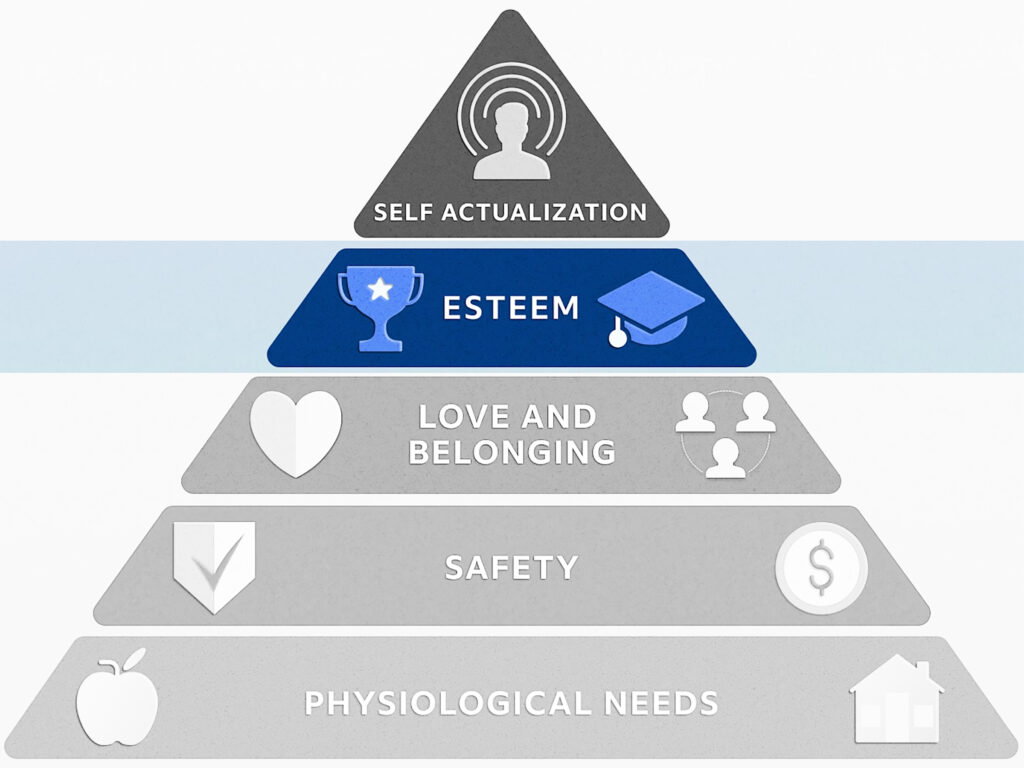
By this point, many of us have already laid the essential foundations of life. We have learnt to care for our bodies, protect our safety, and nurture meaningful relationships. We have found belonging in family, friendships, and community to be very rewarding. With these layers in place, we arrive at the fourth step of Abraham Maslow’s Hierarchy of Needs: Esteem.

Esteem is where personal recognition begins. The dictionary defines “esteem” as “assessment, estimation, or regard; especially favourable regard.” In the context of human growth, it refers to how we see ourselves and how we allow others to see us. If love and belonging centre on connection with others, esteem centres on recognising the self. It is the inner voice that affirms, I am capable. I am worthy. I matter.
Maslow described esteem as having two dimensions. The first is self-esteem, confidence, independence, competence, and a sense of achievement. The second is esteem from others: respect, appreciation, and recognition. In today’s world, these are not indulgences; they are necessities. Self-belief allows us to act without waiting for permission, while self-respect naturally invites respect from others. True esteem is not arrogance or loud self-promotion; it is alignment. It is knowing your worth without needing to constantly prove it.
The beginning of a new year often tempts us into bold declarations and highly visible goals, but do we truly achieve them? Or do we stop when excitement leaves the room? 2026 seems to call for something more grounded. Esteem invites us to walk into this year not with pride but with peace, with a calm understanding of what we bring to every space we enter. Confidence, after all, is quiet. It does not compete; it stands.
Building esteem in the new year begins with setting goals that feel honest. Many resolutions are shaped by external expectations rather than inner truth. Esteem grows when goals reflect who we are becoming, not who we are trying to impress. Authentic ambition, rooted in values and self-awareness, strengthens confidence far more than performance ever could.
Equally important is learning to celebrate progress rather than perfection. Self-confidence does not come from flawless execution but from consistency, resilience, and growth. Each small win reinforces a sense of capability. Growth should not be rushed. Even a plant does not bloom by force; it blooms by trusting the process. Recognising progress reminds us that we are evolving, even when the outcome is not yet complete.

The way we speak to ourselves also plays a powerful role in shaping esteem. Our inner dialogue becomes our emotional reality, influencing how we respond to challenges and opportunities. Harsh self-talk quietly erodes confidence, while kind, realistic language nurtures it. Reframing thoughts, replacing “I’m not enough” with “I’m learning” or “I failed” with “I grew”, creates space for self-compassion. The mind is the soil where confidence grows, and words determine what takes root.
Esteem is also deeply influenced by our environment. It thrives among growth-minded people, affirming and secure in themselves. Constant comparison and unspoken competition weaken confidence over time. Surrounding oneself with individuals who celebrate progress, respect differences, and encourage authenticity creates a healthy foundation for self-worth. Respect, after all, is mutual energy, not a favour to be earned.
Another essential aspect of esteem is the ability to give and receive recognition with grace. Wanting to be seen is human. Being proud of one’s achievements is not a flaw. Accepting compliments without shrinking or minimising effort is an act of self-respect. At the same time, offering genuine recognition to others without envy reflects inner security. When appreciation flows freely, esteem multiplies rather than diminishes.
Maslow believed that esteem is the bridge between belonging and self-actualisation, between being loved and becoming one’s fullest self. As 2026 begins, this stage offers an invitation. It encourages us to move forward guided by conviction instead of comparison, allowing our work, voice, and presence to speak through authenticity rather than perfection.
The world does not simply need more achievers; it needs individuals who believe in the value they bring. Confidence is steady and composed. It is the calm assurance that says, I have earned my place here.
The truth is that esteem is not something we wait to receive. It is something we build each time we honour our boundaries, pursue meaningful goals, or stand firmly in our truth. As the year unfolds, stepping forward with grounded confidence allows us to move differently. We stop chasing validation and begin radiating value.
With each step, the pyramid rises steady, strong, and self-assured. From esteem, the door to our highest potential quietly opens, inviting us.
As 2026 unfolds, let esteem become something you practise, not just something you understand. Let it show in the choices you make, the boundaries you keep, and the standards you uphold for yourself. Walk into this year with your head clear and your footing firm, knowing that confidence is not loud; it is lived.
Choose yourself daily. Your worth does not arrive with applause; it is proven each time you refuse to abandon yourself.
Stand where your values are honoured. “Confidence grows the moment you stop asking for permission and start trusting your own becoming.”
Move with the quiet certainty of someone who knows their worth, because esteem is built in action, in showing up even when unseen, in speaking your truth even when it trembles, and in honouring progress even when it feels small.
Remember that Maslow believed that esteem is the bridge between belonging and self-actualisation, between being loved and becoming your fullest self.
The world does not simply need more achievers; it needs individuals who believe in the value they bring.
