

By Adaobi Rhema Oguejiofor
Autism is a lifelong neurodivergence with a huge impact on a patient’s education, employment, and relationships. It affects daily life through challenges with social communication, sensory processing, and executive function.
Across Nigeria, families navigating autism often face stigma long before they can access proper care. Health specialists say that a cultural reorientation, one that replaces fear and misconceptions with knowledge and empathy, is urgently needed when it comes to shifting societal attitudes.
In many Nigerian communities, the first challenge parents of autistic children face is not the diagnosis itself; it is the reaction of the society around them. Most times, these reactions move from whispered labels to spiritual explanations, as autism is often very misunderstood. This leaves families feeling isolated at the exact moment they need support the most.
Yet experts say that autism is not a curse, a misfortune, or a spiritual battle. It is a developmental condition that can be understood, managed, and supported when communities embrace the right information. This shift from fear to understanding is where Nigeria’s cultural reorientation must begin.
To this end, Nigerian autism expert and neurodiversity advocate Boluwatife Ayanwole has called for a major cultural reorientation in the understanding of autism and the entire condition in Africa.
Ayanwole made the call while speaking at a two-day International Neurodiversity Conference 2026 webinar in Dubai, United Arab Emirates.
He urged governments and societies in Africa to move beyond stigma, myths, and mere medical definitions to functional support, inclusion, and empowerment of neurodiverse persons.

According to him, autism should be understood through the combined influence of neurological, psychological, and environmental factors, rather than being reduced to signs and symptoms alone.
Ayanwole expressed that Nigerian and African governments need to establish public autism centres across the continent to provide affordable diagnosis, therapy, skills training, and creative empowerment, particularly for low-income families.
He also condemned what he described as the commercialisation of autism by some therapists, insisting that functionality, independence, and humanity must take precedence over profit.
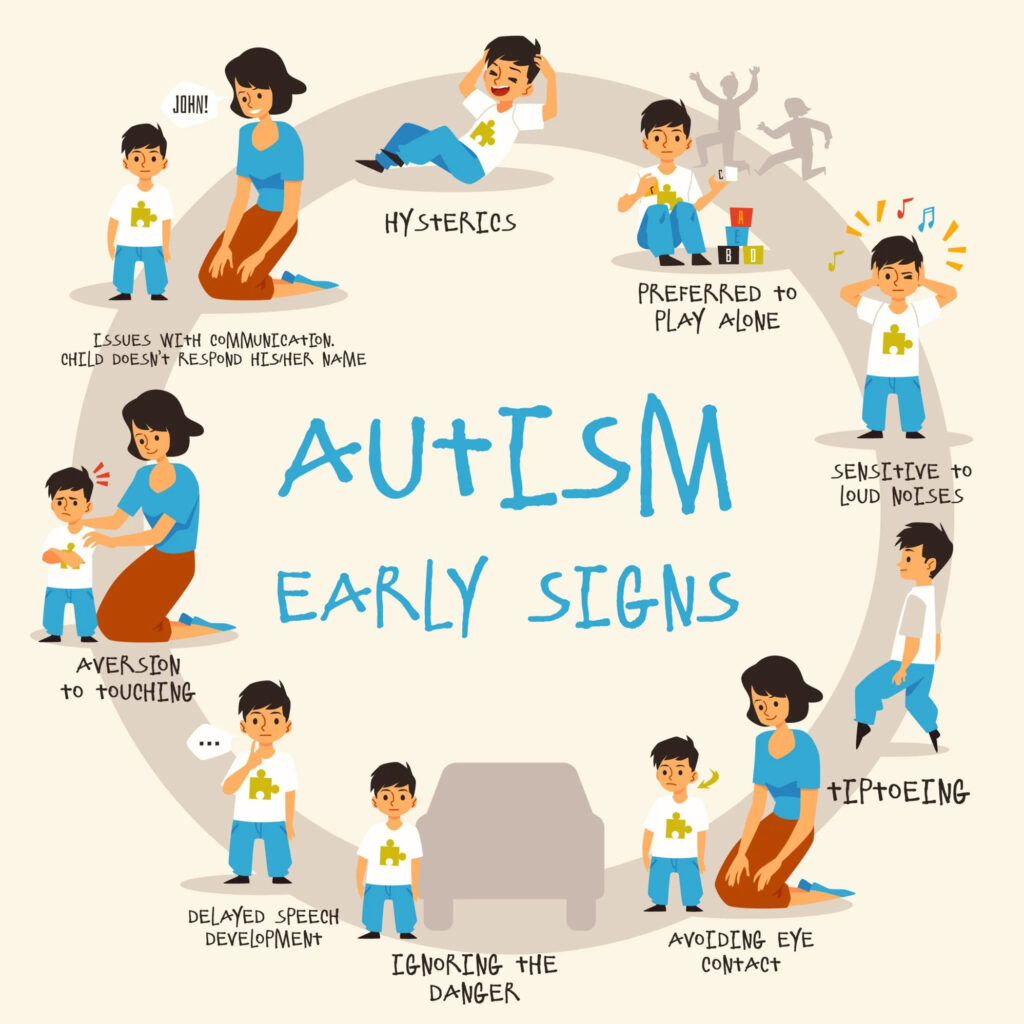
In his words, “Autism is a condition characterised by deficits in social interaction, verbal and non-verbal communication, and repetitive behaviours. Signs and symptoms of autism in children as early as two years old include pragmatic language impairments, repetitive behaviours (stimming), difficulty maintaining eye contact, toe walking, social communication challenges, delayed language development, and self-injurious behaviour.
“Parents should be their child’s voice when nobody is supporting them, and to never allow systemic barriers or stigma to cause limitations. Family should be the first support system for the needs of the child. Even if society, government, and policies aren’t supporting your neurodiverse child, be the active voice that your child needs for everything to be well-adjusted.”
The health advocate also noted that society needs to see individuals on the autism spectrum through the lens of functionality, empathy, acceptance, inclusion, and empowerment, and to prioritise their humanity over their condition.
He added that the Nigerian government needs to establish public autism centres across the country and provide accessible therapy as well as support to those who cannot afford it.
Adewole concluded that understanding autism is about showing empathy instead of sympathy, seeing strengths over weaknesses, and embarking on functional skills development for self-independence and societal relevance.
