
By Anscella Obike
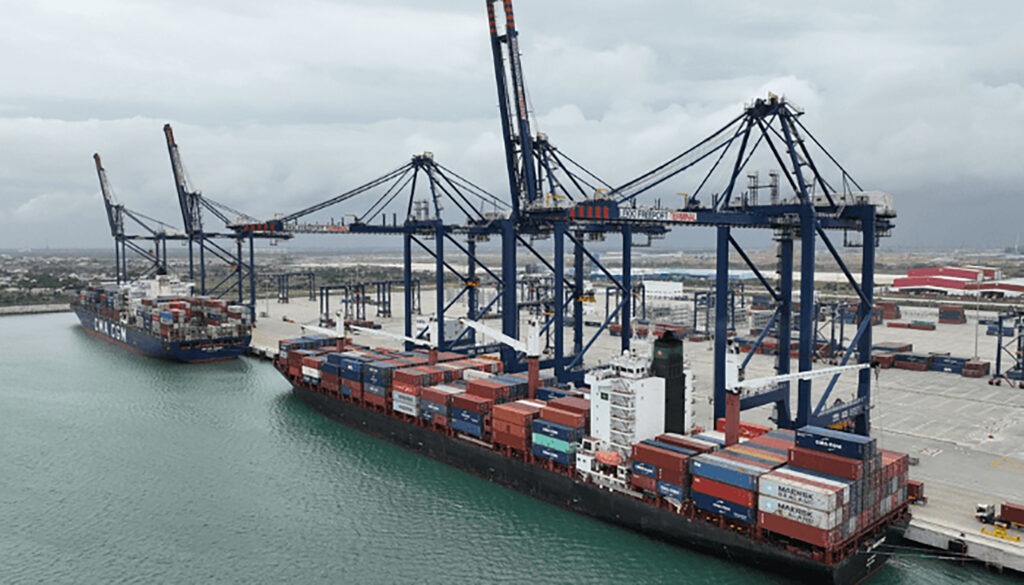
Nigeria’s maritime sector is stepping into 2026 with renewed energy, shaped by new international partnerships and several policy actions aimed at keeping port operations stable. The overall picture is a mix of progress, caution, and an industry that is slowly repositioning itself for better efficiency.
Ports remain central to Nigeria’s economy. They carry the weight of the nation’s imports and exports, and they play a major role in the government’s Blue Economy agenda. This month, a few developments stood out, and together, they paint a clear picture of where the sector is heading.
Nigeria Signs MoU with Abu Dhabi Ports Group
One of the biggest highlights this month was the signing of a Memorandum of Understanding (MoU) between the Ministry of Marine & Blue Economy and the Abu Dhabi Ports Group. The agreement, sealed during the Abu Dhabi Sustainability Week, focuses on improving port infrastructure, logistics, and digital trade systems.
For Nigeria, the value of this partnership lies in the expertise Abu Dhabi brings. Industry observers see it as a confidence boost from global players and a sign that Nigeria’s ports could begin attracting more investment, especially as the country aims to become a stronger maritime hub in West Africa.
Shippers’ Council Halts Planned Increase in Port Charges
In another important development, the Nigerian Shippers’ Council (NSC) ordered a suspension of all proposed increases in port charges by shipping companies and terminal operators. The directive came after rising concerns from businesses that rely heavily on predictable port costs.

The council explained that no tariff changes should happen without broad consultation. For freight operators and small importers, this decision provides some relief, especially at a time when logistics costs are already high. Analysts say price stability is necessary if Nigeria wants to improve its competitiveness.
Rising Costs and the Blue Economy Ambition
Still, concerns remain. A policy assessment from the Sea Empowerment and Research Centre (SEREC) warned that unregulated port charges could affect Nigeria’s Blue Economy revenue target of N7-N10 trillion annually. The report highlighted issues around unpredictable fees, especially at busy corridors like Apapa.
Experts say that while ports must generate revenue, charges must also be transparent and fair. If costs are left unchecked, it could discourage investment and raise the cost of goods for ordinary Nigerians.
The Burden Of Stowaway Repatriation
Another challenge quietly weighing on the sector is the rising cost of handling stowaways. Shipping lines reportedly spend about $4.6 million yearly repatriating individuals who hide on vessels leaving Nigeria.
Beyond the financial cost, this issue points to gaps in port security and documentation processes. Maritime players are calling for stronger enforcement and better collaboration between port security, coastal authorities, and immigration services.
The Outlook For 2026
Despite the mix of progress and concerns, the maritime sector is showing signs of steady transition. With the new MoU, tighter cost controls, and ongoing reforms, many stakeholders believe 2026 could be a more stable year for port operations.
The industry still has hurdles to overcome, especially around pricing, security, and infrastructure, but the foundations being laid now could strengthen Nigeria’s position in the regional maritime space.
