By Anscella Obike
The warning from the Nigeria Extractive Industries Transparency Initiative (NEITI) that weak oversight is fuelling illicit financial flows in Nigeria’s mining sector highlights a deeper governance crisis that threatens one of the country’s most important diversification ambitions. At a time when the federal government is aggressively promoting solid minerals as an alternative revenue source to oil, the sector remains plagued by illegal mining, smuggling, opaque ownership structures, and weak institutional coordination.
Nigeria possesses commercially viable deposits of gold, lithium, limestone, gemstones, and other strategic minerals that could position the country as a major player in the global energy transition economy. Yet NEITI’s findings reveal that the sector contributed only about N401 billion and 0.72 per cent of GDP in 2023, despite its enormous potential. This underperformance reflects not a lack of resources but a persistent inability to regulate and capture value from extraction activities.
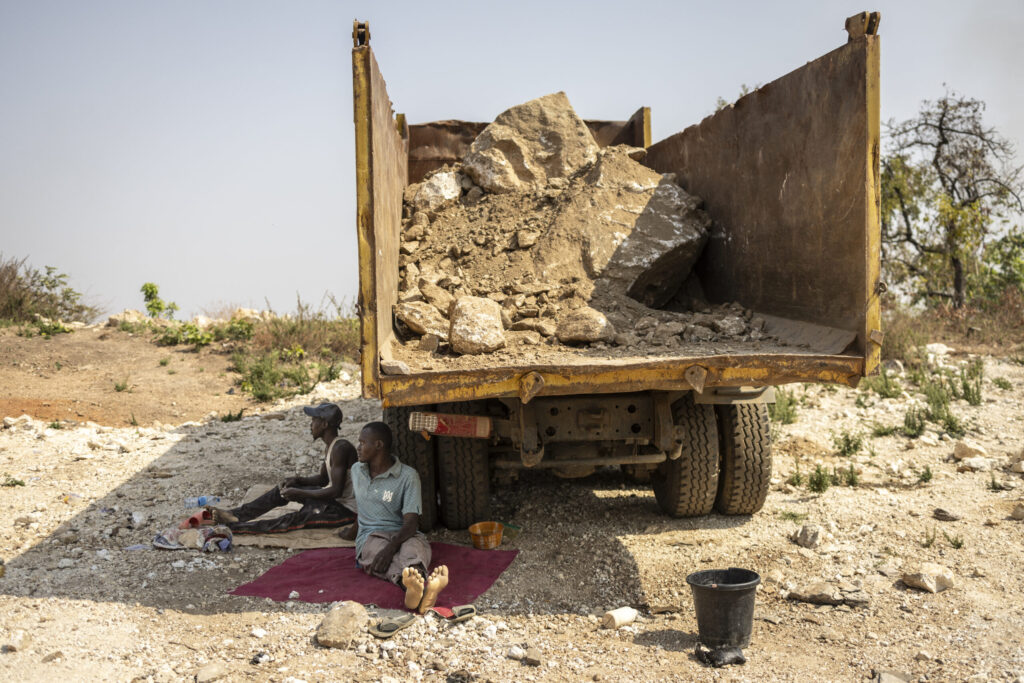
According to NEITI, illicit financial flows occur through illegal extraction, under-reporting of production, trade mispricing, smuggling, and money laundering linked to organised criminal networks. These leakages deprive the government of tax revenues, royalties, and export earnings at a time when Nigeria faces mounting fiscal pressures and rising debt obligations.
One of the most troubling revelations is the extent of fragmentation among regulatory agencies. Multiple institutions, including the Ministry of Solid Minerals Development, the Mining Cadastre Office, Customs, NEITI, and financial intelligence agencies, reportedly operate in silos with weak coordination and no integrated digital monitoring system. The result is a system where production data, export records, and ownership structures are difficult to reconcile, creating loopholes easily exploited by illegal operators.
The problem is compounded by the dominance of artisanal and small-scale mining. NEITI estimates that more than 70 per cent of mining activities in Nigeria fall within this largely informal segment, while about 80 per cent of mining activities in parts of the North-West are allegedly illegal. In states such as Zamfara, Katsina, and Kaduna, illegal mining has become intertwined with insecurity, banditry, and criminal financing networks.
This connection between mining and insecurity may represent the most dangerous aspect of the crisis. Mineral-rich communities increasingly attract armed groups that impose illegal levies, control mining sites, and smuggle resources across borders. The situation mirrors patterns seen in conflict mineral economies elsewhere in Africa, where weak governance enables natural resources to finance violence instead of development.
Another major concern involves opaque ownership structures. NEITI warned that many mining licences are held through shell companies and layered corporate arrangements that conceal the real beneficiaries behind operations. This creates opportunities for politically exposed persons, foreign interests, and criminal actors to exploit Nigeria’s mineral wealth without accountability. Weak beneficial ownership disclosure systems also undermine investor confidence because legitimate investors prefer transparent and predictable regulatory environments.

Ironically, global demand for critical minerals such as lithium should place Nigeria in a strong strategic position. As countries transition toward electric vehicles and renewable energy technologies, Africa’s mineral resources are becoming increasingly valuable. However, unless governance improves, Nigeria risks repeating the mistakes of the oil sector, where resource abundance coexisted with massive revenue leakages and underdevelopment.
Still, the report may serve as an important wake-up call. NEITI’s recommendations, including stronger inter-agency coordination, digital traceability systems, formalisation of artisanal mining, and stricter beneficial ownership enforcement, provide a roadmap for reform. If properly implemented, these measures could improve transparency and increase government revenues while reducing criminal infiltration.
The broader lesson is that economic diversification requires more than discovering resources or issuing mining licences. Without strong institutions, transparent governance, and effective enforcement mechanisms, resource wealth can become a source of instability rather than prosperity. Nigeria’s mining sector now stands at that crossroads.
In the final analysis, NEITI’s warning underscores a familiar Nigerian dilemma: enormous natural wealth constrained by weak governance. Whether the mining sector becomes a genuine pillar of economic transformation or another channel for illicit enrichment may depend on how urgently authorities respond to the current oversight failures.
