

By Adaobi Rhema Oguejiofor
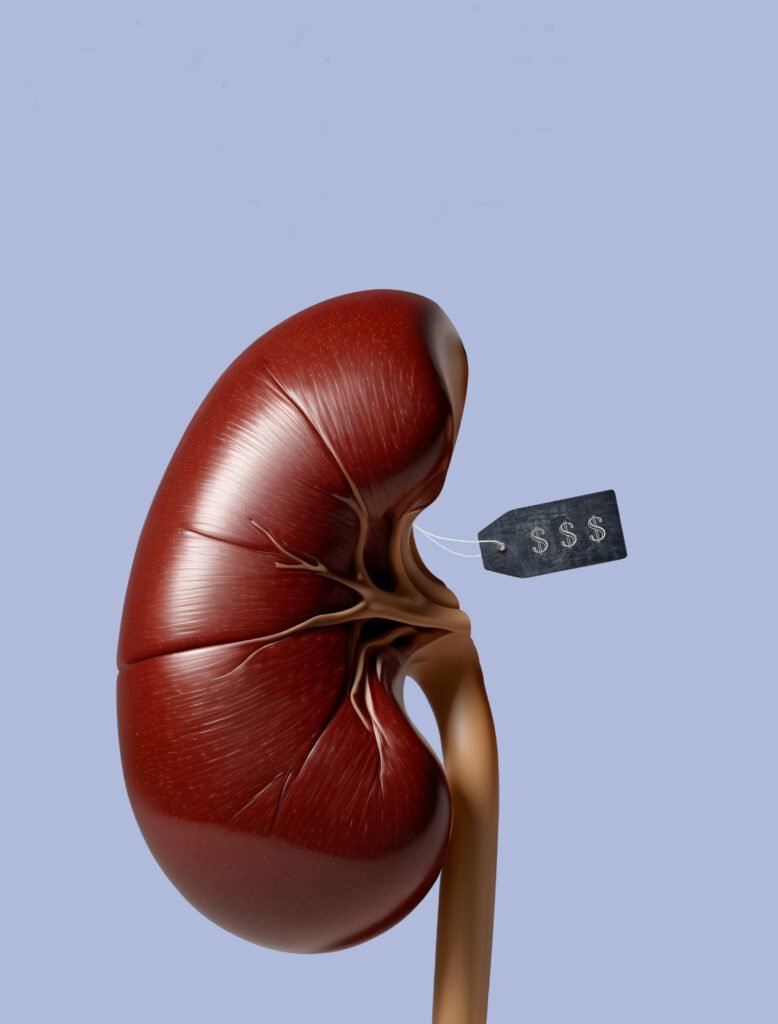
For the human body, the kidney is worth more than money. It filters waste from the blood, balances fluids and electrolytes, helps regulate blood pressure and supports the production of hormones essential to the body. Yet, amid Nigeria’s worsening cost-of-living pressures, reports say some young Nigerians may be willing to sell a kidney for as little as $1,100. This raises the question, “What happens when economic desperation turns a vital human organ into a commodity?”
Former Vice President Atiku Abubakar recently raised the alarm, expressing concern that some young Nigerians are selling their kidneys as they struggle with rising costs for food, transport, rent, healthcare, and electricity. In his words, “Young people should be selling dreams, ideas and innovation, not their body organs.”
The concern comes against the backdrop of a police investigation into an alleged organ-harvesting and human-trafficking operation involving four suspects, including two kidney specialists, according to the report. While the allegations remain subject to investigation, the development highlights a disturbing intersection between poverty, criminal exploitation and public health. The big question is: what does it mean for a person to lose a kidney under circumstances driven not by carefully evaluated medical donation but by poverty, deception, coercion or trafficking?
It is true that a healthy person can live with one kidney, and kidney donation is also an established medical practice; however, this does not mean that kidney removal is harmless or that anyone can safely undergo the procedure. Removing a kidney, known medically as a nephrectomy, is a major surgical procedure. Even when carried out in a properly regulated hospital, it carries risks including bleeding, infection, blood clots, complications from anaesthesia, and injury to surrounding organs.
For legitimate kidney donors, extensive medical and psychological assessments are conducted before surgery. Doctors examine their kidney function, blood pressure, cardiovascular health and other factors to determine whether donation is safe.
However, illegal organ removal can be very different. A person recruited through an underground network may not receive adequate medical screening or proper information about the risks. The operation could also be performed in inappropriate conditions, increasing the possibility of infection, surgical complications and inadequate postoperative care. The danger does not necessarily end when the wound heals.
People who undergo legitimate kidney donation are generally monitored after surgery because maintaining the health of the remaining kidney is important. Potential long-term concerns can include high blood pressure and reduced kidney function, particularly when other health risks are present. But for someone whose kidney has been removed through an illegal or poorly regulated procedure, access to such follow-up care may be limited or completely absent.

This is particularly worrying for economically vulnerable individuals who may already struggle to afford healthcare. If they later develop hypertension, diabetes or another condition capable of damaging kidney function, their remaining kidney could become increasingly vulnerable.
The irony is profound: a person may sacrifice an organ to escape immediate poverty, only to face far greater medical expenses and health risks later in life.
The Psychological Cost
The physical consequences are only part of the story. People who are deceived, coerced or exploited into organ removal can experience psychological trauma, anxiety, depression, shame, anger and regret. Some may discover that the money they received quickly disappears, while the physical consequences of the operation remain.
Organ trafficking can therefore leave victims carrying both a physical scar and an emotional burden.
There is also the danger of exploitation. People in desperate financial circumstances may not have the bargaining power to make a genuinely free and informed decision. Criminal networks can exploit unemployment, poverty and family pressures to recruit vulnerable individuals.
What may appear to be a financial transaction can consequently become a form of exploitation.
Nigeria’s health regulations distinguish legitimate organ donation from commercial organ trading. Organ transplantation is expected to take place within regulated medical systems, with appropriate consent and safeguards. A kidney cannot legally be treated simply as a commodity for sale.
This distinction is important because public discussions about kidney selling can sometimes create the misconception that “having two kidneys means one is spare.”
There is no such thing as a medically disposable kidney. A healthy person may be able to live with one kidney, but that remaining organ becomes particularly important for the rest of the person’s life. The reports should therefore be viewed as more than a criminal matter. They expose a deeper public-health concern of what happens when economic hardship becomes severe enough for people to consider selling a part of their bodies.
Combating organ trafficking requires strong enforcement, effective regulation of transplant centres, monitoring of medical professionals, public awareness and protection of potential victims. Equally important is addressing the economic vulnerability that makes young people attractive targets for traffickers.
No young person should have to choose between paying rent and keeping a kidney. The human body should never become a survival fund. And while a kidney may be removed in a surgical theatre, its value cannot be measured in dollars. Money spent today may solve an immediate problem, but a kidney that is lost may be needed for the next 50 years.
