
By Adaobi Rhema Oguejiofor
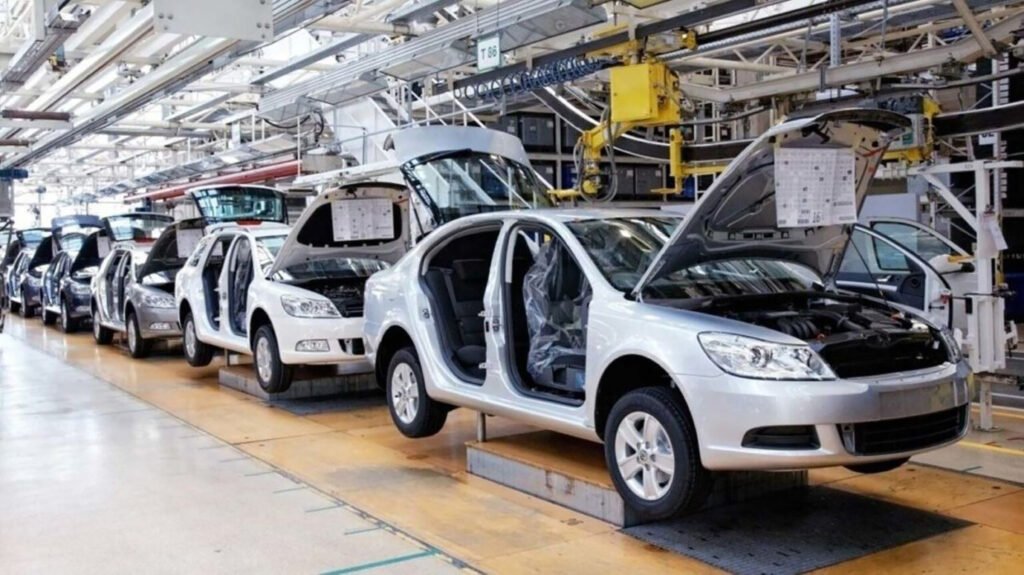
Nigeria’s automotive industry is at a crossroads as the Federal Government pushes ahead with fiscal reforms designed to liberalise trade and strengthen regional integration. While manufacturers support these reforms, they warn that opening the market too quickly could undermine local vehicle production before it is strong enough to compete.
The Nigerian Automotive Manufacturers Association (NAMA) argues that tariff liberalisation must be matched with industrial protection if Nigeria is to build a sustainable automotive manufacturing industry. Without the right balance, the country risks becoming a major importer of vehicles rather than a leading producer.

The debate extends beyond customs duties. It is about industrialisation, job creation, technology transfer, local content development and Nigeria’s ambition to become a regional automotive hub.
The Federal Government’s 2026 fiscal reforms seek to improve trade, enhance affordability and align Nigeria’s policies with the ECOWAS Common External Tariff and the African Continental Free Trade Area (AfCFTA). NAMA has welcomed several government initiatives, including support for locally assembled vehicles, the End-of-Life Vehicle Policy and the Vehicle Conformity Assessment Programme. However, it believes reducing the tariff gap between imported fully built vehicles and locally assembled models could weaken domestic manufacturing.
In a position paper submitted to the Federal Ministry of Industry, Trade and Investment and copied to the National Automotive Design and Development Council (NADDC), the association argued that the reforms place greater emphasis on trade liberalisation than industrial development.
For manufacturers, this imbalance could discourage long-term investment. Establishing vehicle assembly plants requires substantial capital, skilled labour, advanced technology and reliable supply chains. Investors, NAMA says, need policy certainty and reasonable protection from imports produced in countries with decades of manufacturing experience.
“Our automotive industry is still at an infant-to-intermediate stage. Affordability for consumers and protection for investments that create jobs are not mutually exclusive,” said NAMA Chairman, Mr Bawo Omagbitse.

Industry data reinforces these concerns. According to figures from the Nigerian Ports Authority cited by NAMA, vehicle imports increased by 67 per cent, rising from 35,262 units in the first quarter of 2025 to 58,870 units during the same period in 2026. The association believes importers accelerated shipments in anticipation of lower import duties.
While increased imports may offer consumers more choices in the short term, manufacturers warn that sustained import growth could reduce local production, discourage investment and threaten jobs across the automotive value chain.
The impact would extend beyond assembly plants. A thriving automotive industry supports manufacturers of tyres, batteries, glass, plastics, seats, wiring harnesses and other components, creating thousands of skilled jobs while strengthening Nigeria’s industrial base.
NAMA’s Executive Director and Chief Executive Officer, Dr Harpreet Singh, stressed that the association is not opposed to economic reforms but believes they should be implemented alongside measures that strengthen domestic production.
Successful automotive nations such as South Africa, Morocco, Thailand and China followed a similar path. Before fully opening their markets, they introduced production incentives, supplier development programmes, infrastructure investment and carefully designed tariff policies that enabled local industries to mature and compete internationally.
Drawing lessons from Nigeria’s Automotive Industry Development Plan between 2014 and 2020, NAMA noted that inconsistent policies and the absence of enabling legislation limited investor confidence and slowed industry growth.
To strengthen the sector, the association is calling for a wider tariff differential between imported and locally assembled vehicles, the passage of the Automotive Industry Development Plan into law, production-linked incentives, improved access to foreign exchange for manufacturers and better energy and logistics infrastructure.
As Nigeria deepens economic reforms, policymakers face the challenge of balancing consumer affordability with long-term industrial growth. Getting that balance right will determine whether the country remains one of Africa’s largest vehicle markets or emerges as one of its leading automotive manufacturing centres.
