

By Ese Ufuoma
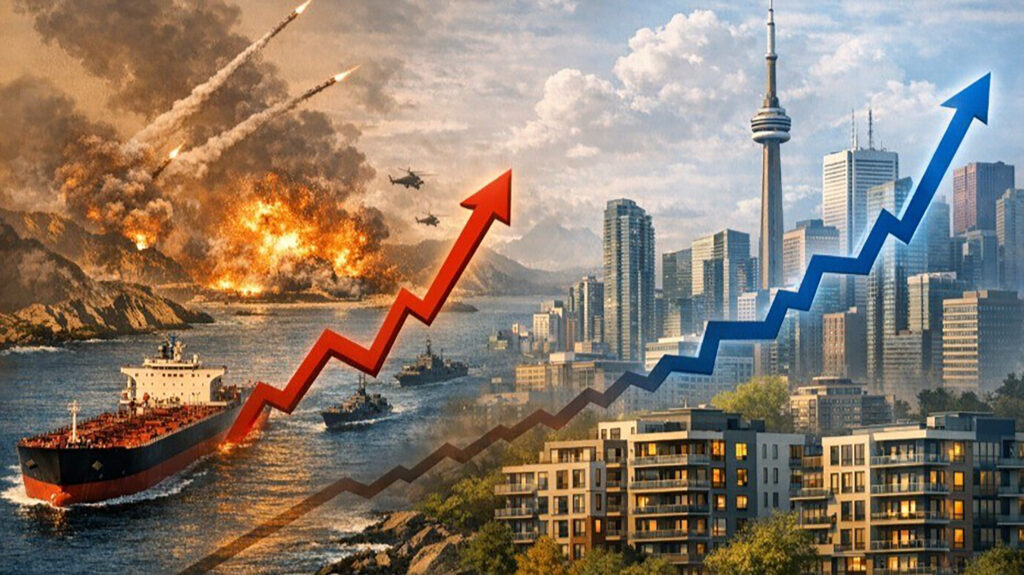
The global oil market is once again entering uncertain territory. However, unlike previous crises, this one is not defined by sudden disruption or dramatic geopolitical events. Rather, it is emerging gradually through a tightening balance between supply and demand, compounded by years of underinvestment and structural inefficiencies.
In practical terms, the world is not facing an immediate shortage of oil. Indeed, proven reserves remain substantial, and production continues across major regions. However, the systems required to sustain and expand that production are showing signs of strain. Moreover, the willingness to invest in long-term oil projects has declined significantly, even as global consumption remains resilient; this contradiction lies at the heart of what may become the next oil shock.
For Nigeria, the implications are particularly significant. As Africa’s largest oil producer, the country occupies a central position in global energy supply. Yet, despite its resource base, estimated at over 35 billion barrels of proven reserves, it has struggled to translate potential output.
In recent years, production has hovered well below capacity. However, the issue is not a geological constraint. Rather, it reflects a combination of operational and structural challenges, including pipeline vandalism, crude theft, and ageing infrastructure. Moreover, regulatory uncertainty has continued to limit the scale of new investment entering the sector.
The result is a persistent gap between what Nigeria could produce and what it actually delivers to the market. This gap has broader implications. Oil remains the backbone of Nigeria’s economy, accounting for the majority of foreign exchange earnings and a substantial portion of government revenue. However, when production underperforms, the country is unable to fully benefit from favourable price conditions in the global market.
The domestic impact of rising oil prices is often overlooked. Higher crude prices tend to translate into increased fuel costs, which in turn affect transportation, food prices, and overall inflation. In effect, Nigeria experiences both sides of the oil market cycle without fully capturing its advantages.
At the global level, the situation is equally complex. Oil demand has proven more resilient than many forecasts anticipated. Moreover, sectors such as aviation, shipping, and petrochemicals continue to rely heavily on crude, limiting the pace at which consumption can decline.

At the same time, investment in upstream oil production has not kept pace. Oil companies, particularly in Western markets, are increasingly cautious. However, this caution is not driven solely by market conditions. It also reflects growing pressure from investors and policymakers to reduce exposure to fossil fuels.
Consequently, fewer large-scale projects are being developed. Existing fields continue to mature, leading to natural declines in output over time. This creates a structural tightening in supply, one that may not be immediately visible but becomes more pronounced over the medium term.
The role of OPEC is also evolving in this context. By maintaining production discipline, the group has supported price stability. However, it has also reduced the buffer that previously existed in the global supply. In effect, the market has become more sensitive to disruptions, even relatively minor ones.
Nigeria’s internal constraints take on greater significance. In a looser market, inefficiencies can be absorbed without major consequences. However, in a tightening market, they become more costly, both economically and strategically.
The development of the Dangote Refinery represents an important shift in Nigeria’s energy landscape. For decades, the country exported crude oil while importing refined products, a model that exposed it to external shocks. Moreover, it created inefficiencies that undermined domestic energy security.
The new refining capacity offers a potential correction. However, it does not eliminate the underlying challenges. Refining depends on a consistent crude supply, and without improvements in upstream production, the full benefits may not be realised.
In broader terms, Nigeria reflects a deeper contradiction within the global energy system. On one hand, there is a clear push toward a transition to cleaner, more sustainable energy sources. On the other hand, oil remains central to economic activity, particularly in emerging markets.
Moreover, the transition itself is uneven. Renewable energy is expanding, but it is often supplementing rather than replacing existing fossil fuel use. This creates a dual system, in which both old and new energy sources must be maintained; the consequence is a market that is structurally imbalanced.
The emerging oil shock, therefore, is unlikely to resemble those of the past. It will not necessarily be triggered by a single event. Rather, it will develop through a series of incremental pressures, declining investment, constrained supply, and persistent demand.
Indeed, the warning signs are already visible. Price volatility has increased, spare capacity has narrowed, and markets have become more reactive to geopolitical developments. However, these signals are often interpreted in isolation, rather than as part of a broader structural shift.
For Nigeria, the challenge is both immediate and long-term. In the short term, improving production efficiency and securing infrastructure remain critical. Moreover, restoring investor confidence will be essential to attracting the capital required for new development.
In the longer term, the country must confront the question of diversification. Oil has sustained the economy for decades. However, reliance on a single commodity, particularly one subject to global volatility, creates inherent vulnerability.
The emerging oil shock does not imply an imminent collapse. Rather, it points to a system under pressure, one in which margins are tightening and resilience is diminishing.
