
By William Emmanuel Ukpoju
The decision by the United Arab Emirates (UAE) to exit the Organization of the Petroleum Exporting Countries (OPEC) marks one of the most consequential shifts in the global energy order in recent years. Announced against the backdrop of intensifying geopolitical tensions linked to the ongoing Iran war, the move is far more than a routine policy adjustment; it is a strategic recalibration with far-reaching implications for oil markets, global power dynamics, and energy governance.
For decades, OPEC has functioned as the central coordinating body for oil-producing nations, wielding significant influence over global supply and pricing. The UAE’s departure, after more than half a century of membership, signals not only a fracture within the cartel but also a broader transformation in how major producers view cooperation, sovereignty, and market control. At a time when the global energy system is already under stress from conflict, supply disruptions, and shifting demand patterns, the implications of this exit are both immediate and long-term.
A Strategic Exit in a Time of Crisis
The timing of the UAE’s decision is critical. The ongoing Iran war has triggered what analysts describe as one of the largest disruptions in global oil supply in modern history, largely due to instability in the Strait of Hormuz, a chokepoint through which a significant portion of the world’s oil flows.
Missile and drone attacks, infrastructure damage, and maritime insecurity have constrained output across the Gulf, forcing producers to scale back exports. In this volatile environment, the UAE’s exit from OPEC appears counterintuitive at first glance. However, a closer analysis reveals a calculated move designed to position the country for greater autonomy once the crisis subsides.
The UAE has long expressed frustration with OPEC’s production quota system, which it views as limiting its ability to fully utilise its expanding production capacity. With the capability to produce close to 5 million barrels per day in the coming years, the country sees itself as constrained by a system that does not adequately reflect its ambitions or investments.
By leaving OPEC, the UAE frees itself from these constraints, gaining the flexibility to ramp up production in response to market conditions. This is particularly significant in a post-war scenario where supply gaps are expected to widen, and competition for market share intensifies.

Fractures Within OPEC and the Limits of Collective Control
The UAE’s departure underscores growing internal tensions within OPEC, particularly between countries with spare production capacity and those struggling to meet quotas. While the cartel has historically relied on cohesion to influence global prices, recent years have exposed cracks in this unity.
At the heart of these tensions lies a fundamental divergence in national interests. For countries like the UAE, which have invested heavily in expanding production capacity, the priority is to maximise output and revenue. For others, maintaining price stability through coordinated cuts remains paramount.
Exit of a major producer like the UAE weakens OPEC’s ability to manage supply effectively. As one of the group’s largest contributors, accounting for a significant share of total output, its absence reduces the cartel’s collective leverage in global markets.
Moreover, the move raises the possibility of further defections. Historical precedents such as the exits of Qatar and Angola highlight a pattern of dissatisfaction among members. If other producers follow suit, OPEC could face an existential challenge, transitioning from a dominant force to a more fragmented and less influential entity.
Geopolitics and the Iran Factor
The geopolitical dimension of the UAE’s decision cannot be overstated. The Iran war has fundamentally altered the security landscape of the Gulf, exposing vulnerabilities in energy infrastructure and supply chains.
Iranian missile and drone attacks on the UAE have directly impacted oil production and export capacity, highlighting the risks associated with regional instability. These developments have reinforced the need for strategic independence, both in terms of energy policy and geopolitical alignment.
In this context, exiting OPEC can be seen as part of a broader strategy to reposition the UAE within the global energy system. By reducing its reliance on collective decision-making, the country gains greater control over its response to geopolitical shocks.
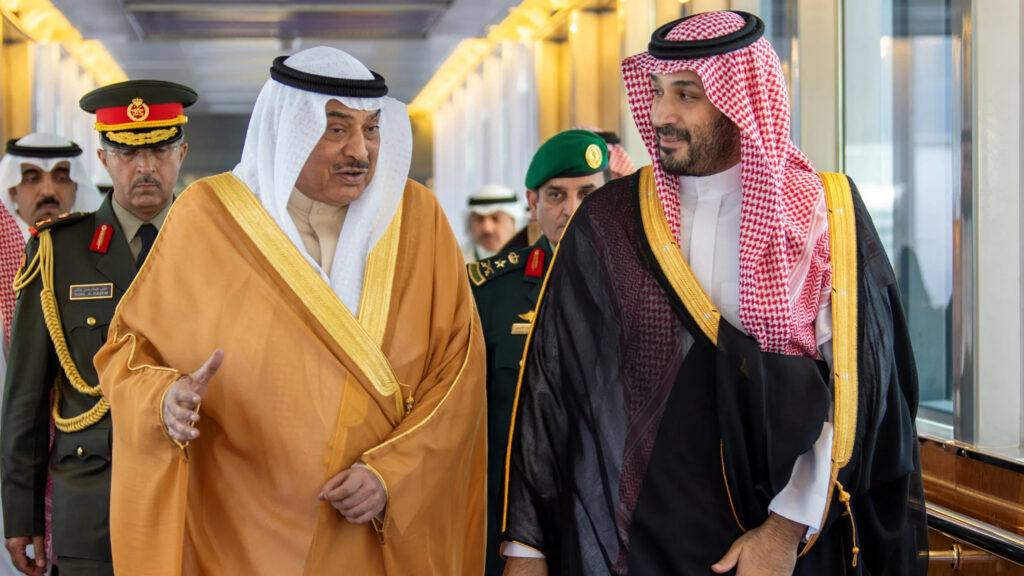
At the same time, the move reflects shifting alliances within the Gulf. The UAE’s decision has reportedly strained relations with Saudi Arabia, OPEC’s de facto leader, and highlighted competing visions for the future of the oil market.
While Saudi Arabia continues to advocate for coordinated production management, the UAE appears to be embracing a more market-driven approach, prioritising flexibility and competitiveness over collective discipline.
Market Implications: Volatility and Opportunity
In the short term, the impact of the UAE’s exit on oil markets is likely to be limited. Ongoing disruptions caused by the Iran war have already constrained supply, meaning that additional production capacity cannot be immediately brought online.
However, the long-term implications are more significant. A structurally weaker OPEC, with reduced capacity to coordinate supply, could lead to increased market volatility. Prices may become more sensitive to geopolitical events, demand fluctuations, and unilateral production decisions by major producers.
At the same time, the UAE’s increased autonomy could contribute to a more competitive market environment. By expanding output independently, the country may capture a larger share of global demand, particularly in Asia and other growth markets.
For oil-importing countries, this could translate into lower prices over time, as increased supply puts downward pressure on the market. Indeed, some analysts view the weakening of OPEC’s influence as a potential benefit for consumers, particularly in economies heavily dependent on energy imports.
Implications for Africa and Emerging Producers
The ripple effects of the UAE’s exit extend beyond the Gulf, with significant implications for Africa and other emerging oil-producing regions.
For African producers, the potential weakening of OPEC presents both opportunities and challenges. On one hand, reduced coordination among major producers could create space for new entrants to gain market share. Countries such as Nigeria, Angola, and Namibia may find it easier to expand production and attract investment in a less tightly controlled market.
On the other hand, increased volatility could complicate planning and investment decisions. Without the stabilising influence of OPEC, price fluctuations may become more pronounced, affecting government revenues and economic stability in oil-dependent economies.
Nigeria, in particular, faces a complex landscape. As a leading African producer and OPEC member, it must navigate the evolving dynamics of the cartel while addressing domestic challenges such as infrastructure deficits, regulatory uncertainty, and declining production levels.
The UAE’s decision may also prompt a broader reassessment of OPEC membership among African countries. If the perceived benefits of participation diminish, some may consider alternative strategies that prioritise national interests over collective commitments.
Energy Transition and the Future of Oil Governance
Beyond immediate market dynamics, the UAE’s exit raises fundamental questions about the future of oil governance in an era of energy transition.
As the world gradually shifts towards cleaner energy sources, the role of traditional oil institutions is being redefined. OPEC, once the undisputed arbiter of global oil supply, now faces competition not only from non-member producers but also from renewable energy technologies and changing consumption patterns.
In this context, the UAE’s move can be seen as an attempt to future-proof its energy strategy. By maximising production in the near term, the country aims to monetise its hydrocarbon resources before demand begins to decline more sharply.
At the same time, the UAE has been actively investing in renewable energy and diversification initiatives, positioning itself as a leader in the transition to a low-carbon economy. Exiting OPEC allows it to pursue these dual objectives with greater flexibility.
A Turning Point for the Global Energy Order
Ultimately, the UAE’s exit from OPEC represents a turning point in the evolution of the global energy system. It highlights the growing tension between collective action and national sovereignty, as well as the increasing complexity of managing oil markets in a rapidly changing world.
The decision reflects a broader shift towards fragmentation and competition, as producers seek to adapt to new realities shaped by geopolitics, technology, and market dynamics. While OPEC is unlikely to disappear overnight, its influence is clearly under pressure.
For policymakers, investors, and industry stakeholders, the key challenge will be navigating this new landscape. Understanding the interplay between geopolitical risks, market forces, and institutional changes will be critical in shaping strategies for the future.
As the dust settles, one thing is clear: the UAE’s departure is not just an isolated event; it is a signal of deeper changes within the global energy order. And as the Iran war continues to reshape the geopolitical environment, the full impact of this decision will unfold in the months and years ahead.
