

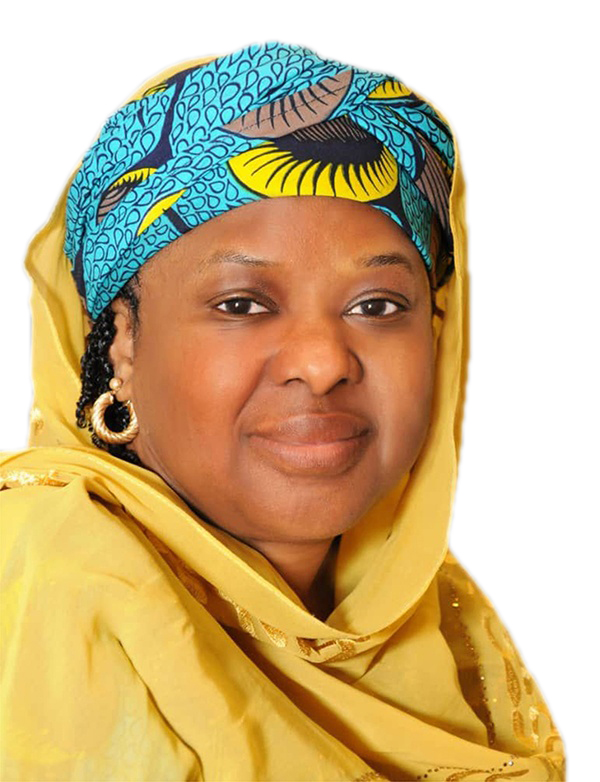
By Anscella Obike
In an era where the global energy landscape is rapidly evolving, the call for inclusive leadership has never been more urgent. In her recent WGLC 2025 on-demand presentation, Dr. Amina Danmadami, Senior Manager at the Nigerian Midstream and Downstream Petroleum Regulatory Authority (NMDPRA) and the first female Chair of the Society of Petroleum Engineers (SPE) Nigeria Council, delivers a compelling message on owning success, redefining power, and leading with purpose. Speaking with the clarity of lived experience, she challenges long-standing norms and expands the conversation on what it truly means for women to step into their full leadership potential.
Danmadami begins by grounding her message in personal history. Raised in an environment where successful women were often expected to “remain silent, sacrifice, and stay small”, she recounts being the first in her extended family to attend university in a culture that pressured her to take a more traditional path. Instead, she persisted, earning a PhD in Chemical Process and Energy Engineering and rising through Nigeria’s energy regulatory space to national influence. Yet, for her, true success is not measured by credentials alone. “Success means very little if you are not empowered or allowed to own it,” she emphasises. Leadership, she argues, is not simply about achievement but about occupying the space one has earned boldly and unapologetically.
A major theme of her message is visibility. Despite women representing nearly half of the global talent pool, leadership in the energy sector still does not reflect that balance. For Danmadami, the gap is not due to lack of ambition or competence but to cultural expectations, structural limitations, and internalised doubts that quietly erode potential. This “silent erosion”, she says, occurs when brilliant work goes unseen or unheard, weakening not only individual careers but the industry itself. “When we are not seen, we are not heard. And when we are not heard, we are not valued,” she states. The loss, she warns, is that collective innovation, insight, and impact diminish when half of the talent pool remains in the shadows.
Redefining power is central to her philosophy. Beyond formal authority, Danmadami highlights forms of power that women often underestimate: credibility, technical expertise, influence, and vision. As SPE Nigeria Chair, she led national programmes without holding formal authority over anyone, proving that leadership anchored in trust and competence can shape policy and mobilise professionals. She describes technical knowledge as a strategic asset in a data-driven sector, urging women not to downplay their expertise: it is leverage, and it is power.
She also addresses the internal barriers she calls “power killers”: imposter syndrome, perfectionism, and the fear of being perceived as “too much”. These challenges, she notes, are not personal failings but reflections of environments not originally designed for women. Her message is firm: “You belong. You’ve earned your place.” Progress, not perfection, should be the standard.
Danmadami offers practical tools for cultivating presence and influence. She underscores speaking early in meetings to establish visibility, backing ideas with data, amplifying the contributions of other women, and intentionally documenting professional achievements. She credits a mentor, Dr. Rita, for introducing her to the practice of keeping a success journal, a tool that has helped her confront doubt and reaffirm her value. Visibility, she insists, should never be accidental but deliberate.
For Danmadami, purpose is the compass that sustains leadership in complex environments. Her own purpose – advancing infrastructure, shaping inclusive policy, and creating pathways for women in the energy sector – guides her through the slow, demanding processes of regulatory work. Leadership, she argues, is not about titles but about legacy: “Legacy lives in the people you empower, not in the position you hold.” Through mentorship and advocacy, she encourages leaders to open doors that were once closed to them and to build systems that outlast their tenure.
As she closes, Danmadami poses a challenge: What will professionals, especially women, begin to do differently? Where have they been shrinking themselves, and where can they step forward with greater boldness? The future of energy, she asserts, requires innovation, inclusion, and integrity and cannot be shaped with half the industry’s talent sitting on the sidelines. Her call is simple yet profound: lead now, and lead with power, presence, and purpose.
