
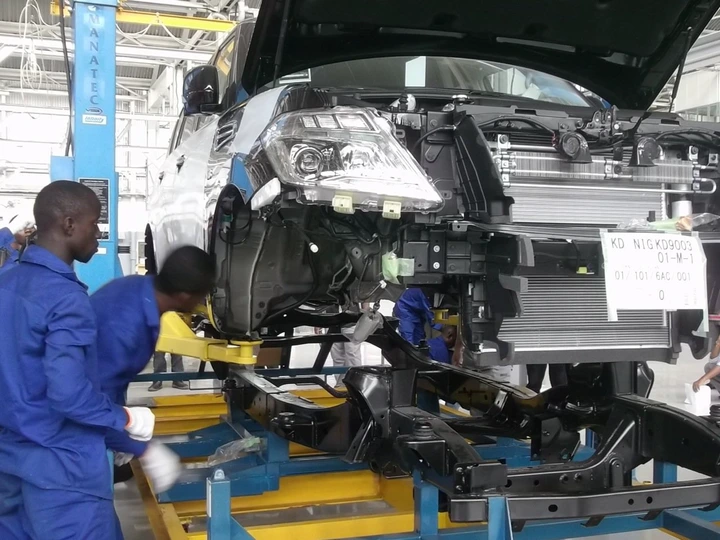
Nigeria’s manufacturers have called on the Central Bank of Nigeria (CBN) to ease monetary policy, arguing that elevated borrowing costs are constraining production, discouraging investment and slowing the growth of the country’s industrial sector.
The appeal comes as manufacturers continue to contend with expensive bank credit, unstable electricity supply, limited access to foreign exchange, rising production expenses and multiple taxes, challenges they say have continued to undermine operating performance during the second quarter of 2026.
According to the latest Manufacturers CEO Confidence Index released by the Manufacturers Association of Nigeria (MAN), financing conditions remain one of the biggest obstacles to expanding industrial output.
Manufacturers noted that the current 26.5 percent Monetary Policy Rate (MPR) has translated into significantly higher commercial lending rates, making it increasingly difficult for businesses to finance expansion, purchase equipment and maintain working capital.
The association argued that the cost of borrowing has become a major constraint on productivity, particularly for manufacturers that rely on bank financing to sustain operations and invest in capacity growth.
Beyond financing, executives identified unreliable electricity supply as another major challenge, forcing many factories to depend on alternative energy sources that substantially increase production costs.
Manufacturers also reported continued difficulties accessing foreign exchange for importing machinery, raw materials and industrial inputs, despite improvements in the broader foreign exchange market.
The report further highlighted persistent congestion at Nigeria’s ports, which has continued to delay the delivery of imported production materials and disrupt manufacturing schedules.

Although more companies are sourcing inputs locally, manufacturers said patronage of locally produced goods remains below expectations, particularly within the public sector.
The association urged government ministries, departments and agencies to increase procurement of Made-in-Nigeria products, arguing that stronger domestic demand would help reduce inventories, improve factory utilisation and stimulate industrial growth.
MAN also expressed concerns over the regulatory environment, saying uncertainty surrounding the implementation of the Nigeria Tax Act 2025 has created additional planning challenges for businesses.
To improve operating conditions, the association recommended that the CBN lower the Monetary Policy Rate to below 20 percent, describing cheaper credit as essential for boosting investment, expanding production and improving the competitiveness of Nigerian manufacturers.
It also called for greater priority in foreign exchange allocation for manufacturers to support uninterrupted production and reduce pressure on supply chains.
Despite the current challenges, the survey showed that manufacturers remain cautiously optimistic about business conditions in the third quarter of 2026 with confidence improving in several industrial hubs across the country.
Industry stakeholders believe that lower financing costs, improved electricity supply, better access to foreign exchange and stronger support for local manufacturing would significantly enhance the sector’s contribution to economic growth, employment generation and export diversification.
SOURCE: investorking
