
By Adaobi Rhema Oguejiofor
For years, Africa’s digital economy has relied heavily on infrastructure located outside the continent. Online searches, cloud transactions, banking services, streaming platforms, and artificial intelligence workloads generated in Africa have largely depended on servers in Europe, North America, and Asia. This dependence has affected internet speed, cloud costs, data sovereignty, cybersecurity, and Africa’s ability to compete in the global AI race.
Now, a Nigerian technology company is attempting to change that narrative. In Lekki, Lagos, Kasi Cloud has commissioned the first phase of what it describes as a 100-megawatt AI-ready hyperscale data centre campus, one of the largest digital infrastructure projects currently underway in West Africa.
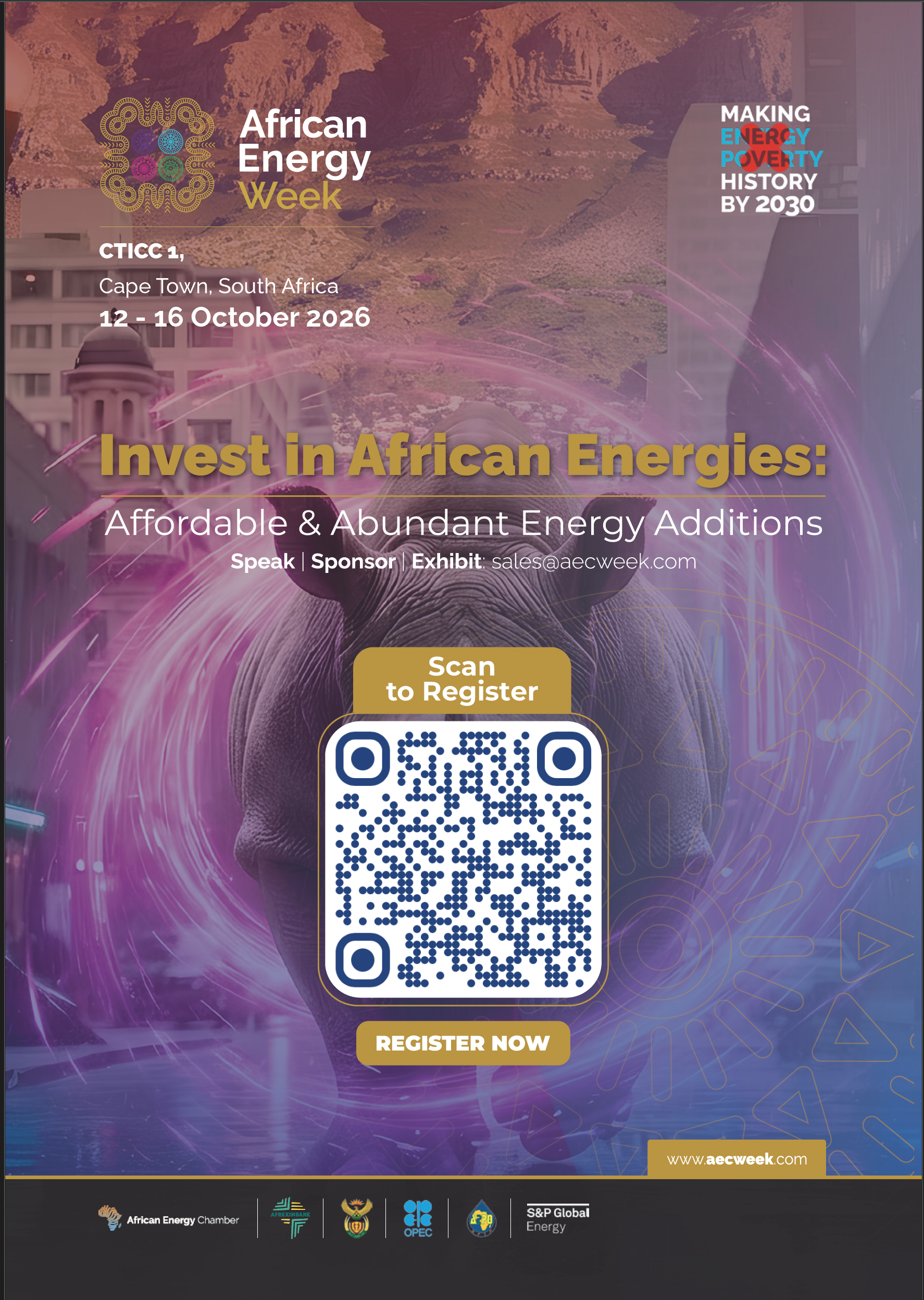
The project marks more than the opening of another commercial data facility. It signals a broader shift in how African countries are beginning to approach technology infrastructure in the era of artificial intelligence. Increasingly, the focus is moving beyond internet access and mobile penetration to ownership of the computational systems that will power future economies.
Speaking during a media briefing, Kasi Cloud Founder and Chief Executive Officer, Johnson Agogbua, described the project as a strategic milestone for Nigeria and Africa. According to him, most data centres built in the country were designed externally, while Kasi Cloud represents locally driven innovation and expertise.
The commissioning represents the first operational phase of a project estimated at $250 million. Construction began after the groundbreaking in April 2022, with major development starting in 2023. The current deployment includes a 5.5-megawatt data hall and a 7.5-megawatt ecosystem floor designed for cloud hosting, colocation services, enterprise storage, and AI computing workloads.
Industry attention, however, is focused on the project’s long-term ambition. Nigeria currently operates about 17 data centres, most of them relatively small and unable to meet the demands of large-scale AI deployment. Kasi Cloud plans to build a hyperscale ecosystem capable of supporting 100 megawatts of IT load through a dedicated 132-kilovolt power substation.
Agogbua explained that each floor within the facility can support roughly eight megawatts of critical load, while one completed building could exceed 30 megawatts, a scale larger than the electricity consumption of some smaller Nigerian cities.

The significance of such infrastructure extends beyond cloud storage. Artificial intelligence systems require massive computing power, advanced cooling systems, reliable electricity, and high-capacity storage. Countries with strong local computing infrastructure are increasingly positioned to dominate the AI economy, while those without it risk remaining dependent on foreign technologies.
Kasi Cloud executives argue that Africa must urgently address this imbalance. The company noted that although Africa is one of the world’s fastest-growing digital markets, it still accounts for less than one per cent of global compute capacity.
The Lekki campus is designed as a carrier-neutral interconnection hub capable of linking telecom operators, enterprises, cloud providers, and submarine cable systems. The upper floors are also configured to support global hyperscale companies such as Amazon Web Services, Google, and Microsoft if they expand into West Africa.
For Nigeria’s growing technology ecosystem, stronger local hosting capacity could reduce latency, improve cybersecurity, lower operational costs, and strengthen compliance with data protection regulations. It may also encourage multinational technology firms to establish stronger physical presence within the region.
Beyond large corporations, Kasi Cloud believes local AI infrastructure could eventually support small businesses by enabling affordable AI services for retail management, logistics, healthcare, accounting, and supply chain operations, helping modernise Nigeria’s broader economy.
