

With operating costs slashed and output climbing, Nigeria’s oil sector is signalling a new era of efficiency and investor confidence
By Ese Ufuoma
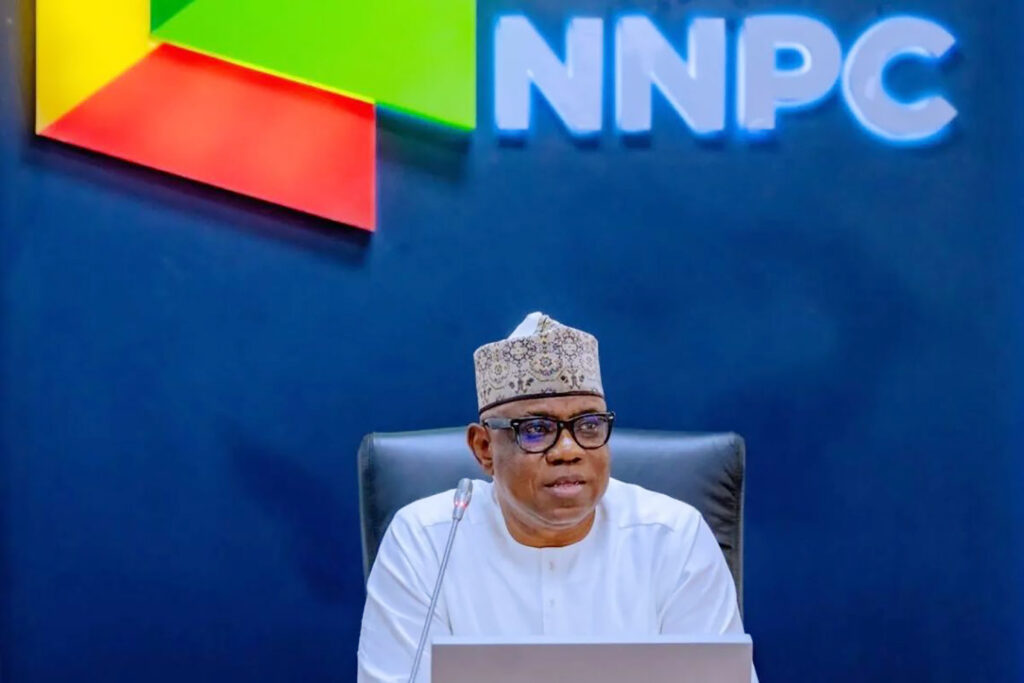
Nigeria is working on one of its biggest oil and gas cost reduction plans in recent years. The Nigerian National Petroleum Company Limited (NNPC) says it has already saved about $3 billion and is aiming to push that figure up to $4.5 billion before the end of December 2025. The idea is simple: reduce waste, cut down high operating costs, and make Nigerian oil production more attractive to investors.

Oil production itself has started to look better. From around 1.4 million barrels per day at the end of last year, Nigeria is now pumping over 1.8 million barrels per day. Regulators say production could reach 2.5 million barrels per day by 2026, something the country hasn’t seen in almost 20 years. This new confidence comes from fixing pipelines, improving infrastructure, and getting more oil fields active again, including those in deepwater and inland areas.
The savings drive is also supported by oil companies, both international players and local firms like Seplat and Renaissance Africa Energy, who are cutting down on expensive contracts and bringing in new technology to make operations faster and cheaper. The regulator is also pushing to raise the number of active rigs to 50 by the end of this year, 2025, compared to less than 30 in 2023, which will help keep production steady.
President Bola Tinubu has backed the move with new executive orders that reward companies for saving costs. Under the new rules, investors can keep up to half of the extra revenue made from reducing costs, while tax credits of up to 20% encourage companies to be more efficient. This follows the reforms already laid out in the Petroleum Industry Act (PIA) of 2021.
However, Nigeria still has a long way to go. Producing oil in Nigeria remains more expensive than in many other countries. While global production costs in some regions are as low as $3 to $10 per barrel, Nigeria often spends between $25 and $48 per barrel. This is due to security problems, multiple taxes and levies, and a slow approval process that adds more costs to operations. A joint industry committee is now working on a standard template to bring production costs below $20 per barrel within the next two years.
Furthermore, the savings push comes at a time when oil prices are not in Nigeria’s favour. The country’s 2025 budget was based on oil selling for about $75 per barrel, but current prices are closer to $68. The International Monetary Fund (IMF) has already warned Nigeria to adjust its budget to reflect this reality. If the $4.5 billion savings target is achieved, it will help the government manage revenue shortfalls and fund social programs.

Another bright spot is security. Just a few years ago, pipeline vandalism and oil theft meant that only about 30% of the oil produced made it to export terminals. Today, NNPC says that figure is now close to 100%, thanks to tighter monitoring, military patrols, and private security contracts. This recovery of lost barrels is one of the reasons Nigeria’s production is rising again.
In the end, this plan is about more than just numbers. It is about showing that Nigeria can run its oil and gas sector better, cheaper, and with more discipline. If the savings are achieved, Nigeria will not only attract new investments but also strengthen its economy at a time when every dollar counts.
Feeding 200 Million: Are GMOs the Answer?
With rising population and shrinking farmland, Nigeria faces tough choices between tradition and biotechnology
What if the maize you eat, the rice you cook, or the beans you plant were not exactly as nature made them? Would you still trust them on your plate?
At its core, a Genetically Modified Organism (GMO) is a plant, animal, or microorganism whose genetic makeup has been altered in a way that does not occur naturally. In agriculture, this usually means inserting specific genes into crops to make them resist pests, tolerate drought, or grow faster. Scientists achieve this by using advanced techniques to introduce desirable traits, which can help farmers get better yields and reduce losses.
Supporters of GMOs argue that they could be a lifeline for Nigeria’s food security. With a rapidly growing population and increasing pressure on farmland, they say genetically modified crops can produce higher yields, resist destructive insects, and reduce the need for chemical pesticides.
