Nigeria and the World Bank have agreed to scrap $717.7 million in unused loan money. The funds were earmarked for the Power Sector Recovery Performance-Based Operation, a five-year initiative designed…
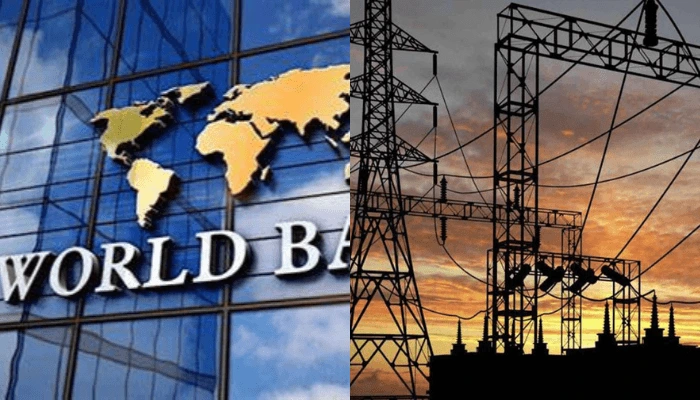
Nigeria and the World Bank have agreed to scrap $717.7 million in unused loan money. The funds were earmarked for the Power Sector Recovery Performance-Based Operation, a five-year initiative designed to fix Africa’s most troubled electricity system.
Both parties signed off on the cancellation on March 26, 2026. The program’s end date moved up sharply—from June 2027 to May 31, 2026—leaving most targets unachieved.
It’s a heavy blow for a nation producing just one-fifth of needed electricity. Blackouts are so common that diesel generators sit in offices, hospitals, and homes across the country.
The World Bank’s restructuring paper blamed a critical gap between what electricity costs to generate and what consumers actually pay. “Tariff shortfalls increased sharply in the last three years,” the lender stated.
Nigeria’s power subsidy tells the real story. It jumped from roughly N140 billion in 2022 to approximately N1.9 trillion by 2025—a thirteenfold jump in three years.
That subsidy bill now rivals what major federal ministries receive annually. The numbers reveal a system badly broken and bleeding money.
According to the World Bank, officials failed to create a realistic financing plan. “The decreasing trajectory of tariff shortfalls prevented achievement of global targets in 2023, 2024, and 2025,” it said.

President Bola Tinubu’s decision to float the naira in June 2023 sparked the crisis. The currency crashed against the dollar, sending shock waves through the power industry.
Gas that fuels most Nigerian power plants gets priced in dollars. When the naira weakened, generation costs exploded overnight.
But retail electricity prices didn’t follow. Only the wealthiest urban customers—those getting at least 20 hours of daily supply—saw meaningful increases in April 2024.
Everyone else paid frozen rates that made no economic sense. The unbudgeted subsidy spiraled out of control.
Energy analyst Yakubu Usman has tracked Nigeria’s sector for years. He questioned whether real progress exists when policymakers lack direction.
According to him, the core problem runs deeper than money. “We draft laws without understanding the realities of running power systems in one of Africa’s most complex environments,” Usman told reporters.
Legal frameworks don’t match operational or economic reality, he noted. That fundamental mismatch continues to cripple reform efforts.
Vahyala Kwaga from BudgIT, a fiscal transparency group, warned of darker days ahead. The World Bank’s pullout will worsen investment shortfalls that already strangle electricity supply.
Without new capital, Nigeria’s generation capacity will stagnate. Millions more may slip deeper into darkness as the crisis worsens.
SOURCE: advocate.ng
