
By Adaobi Rhema Oguejiofor
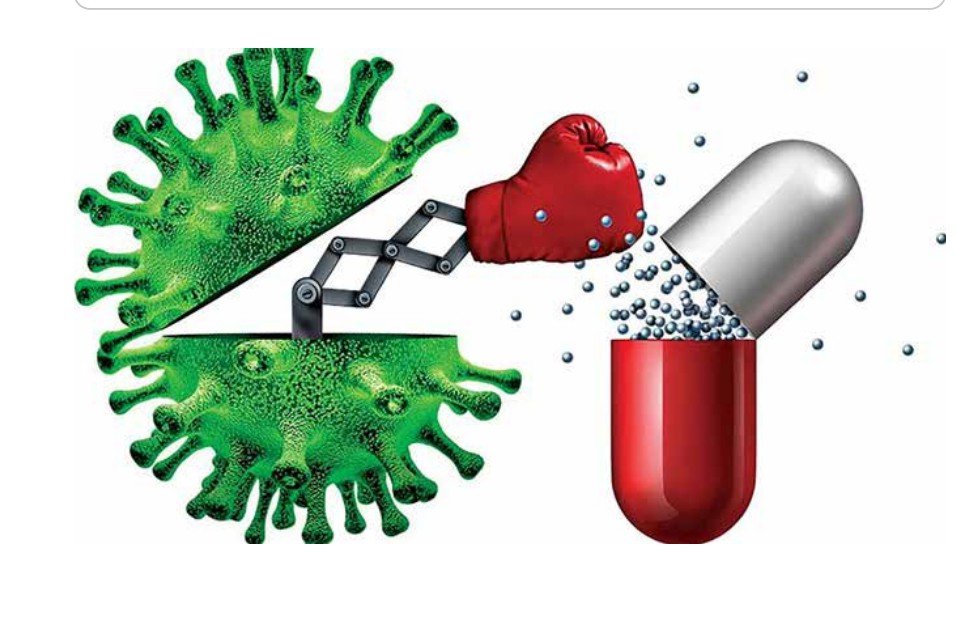
A routine infection can become a life-threatening ordeal when the medicines expected to cure it no longer work. What usually begins as a seemingly manageable illness can escalate into prolonged hospitalisation, mounting medical bills and, in some cases, death. This is the growing danger of antimicrobial resistance (AMR), a global health crisis threatening the effectiveness of medicines and putting millions of lives at risk. The World Health Organisation (WHO) estimates that drug-resistant bacterial infections kill approximately one million people globally every year. The Acting Director of WHO’s Antimicrobial Resistance Department, Jean-Pierre Nyemazi, warned that the crisis can no longer be treated as a “silent pandemic”.
Speaking at a virtual media conference ahead of an exhibition at the European Parliament titled AMR: The Human Stories Behind a Silent Pandemic, Nyemazi said the figure represented about two deaths every minute from bacterial antimicrobial resistance alone. Behind these statistics are patients battling persistent infections, families struggling with medical expenses and healthcare professionals confronting diseases that no longer respond to standard treatments.

Antimicrobial resistance occurs when bacteria, viruses, fungi and parasites develop the ability to withstand medicines designed to kill them or stop their growth. Although resistance can emerge naturally, the misuse and overuse of antimicrobial medicines accelerate the process, allowing resistant organisms to survive, multiply and spread. The consequences extend far beyond individual infections. Antibiotics are essential for treating bacterial diseases and preventing infections during surgery, cancer treatment and organ transplantation. As their effectiveness declines, routine medical care and complex procedures become increasingly risky.
For Nigeria, where access to reliable diagnostic services, quality medicines and well-equipped healthcare facilities remains uneven, the threat is particularly concerning. Self-medication, inappropriate antibiotic use, delayed diagnosis and inadequate infection prevention can make infections harder to manage while contributing to the spread of resistance. Yet, experts insist that practical, coordinated action can slow the crisis.
Nyemazi identified infection prevention as the first priority, highlighting vaccination, effective infection-control practices, clean water, sanitation, hygiene and improved animal husbandry. Preventing infections reduces the need for antimicrobial medicines and limits opportunities for resistant organisms to spread. Antibiotics treat bacterial infections, not viral illnesses such as the common cold or influenza. Taking them unnecessarily, sharing prescriptions or using leftover medicines can accelerate resistance. Patients should seek qualified medical advice and follow prescribed treatment instructions, while healthcare professionals need access to reliable laboratory tests to identify infections and select appropriate medicines.
The challenge also extends to agriculture and the environment. Excessive or inappropriate antibiotic use in food-producing animals can encourage the emergence of resistant bacteria that may reach humans through food, direct contact or contaminated surroundings. This reinforces the need for responsible veterinary practices, better farm hygiene and stronger regulation of antimicrobial use in agriculture.
The above concern underpins the One Health approach, which recognises the close links between human, animal and environmental health. Tackling AMR therefore requires cooperation among health authorities, veterinary services, farmers, environmental agencies, researchers and policymakers.

In May 2026, WHO Member States approved an updated Global Action Plan on AMR, providing a framework for action over the next decade. Developed with the Food and Agriculture Organisation, the United Nations Environment Programme and the World Organisation for Animal Health, the plan places greater emphasis on prevention, governance, behavioural change and measurable progress.
Nyemazi said that reducing antimicrobial resistance by 10 per cent was achievable through measures including infection prevention, vaccination and improved access to quality antimicrobials. Stronger surveillance, public education and coordination would also be essential.
However, prevention alone will not solve every challenge. Researchers must continue developing new treatments, including antibiotics, antifungal medicines and emerging approaches such as phage therapy, which uses viruses that target specific bacteria. At the same time, existing effective medicines must be preserved, and patients must have equitable access to quality treatment.
For Nigeria, confronting AMR requires stronger infection prevention in hospitals and communities, improved diagnostic services, public education against self-medication, responsible prescribing and effective regulation of antimicrobial use in human and animal health. Governments must also back national action plans with sustainable funding, surveillance and accountability.
Essentially, the world cannot rely solely on discovering new medicines to overcome a problem accelerated by the misuse of existing ones. With approximately one million people dying annually from drug-resistant bacterial infections, the warning is clear: delaying action will make infections harder and more expensive to treat. The fight against antimicrobial resistance is ultimately about preserving the power of modern medicine and ensuring that the medicines people depend on today remain capable of saving lives tomorrow.


