By Anscella Obike
Beneath the promise of Nigeria’s lithium wealth lies a difficult reality for the people digging it out of the ground. In Nasarawa State, where global demand for the mineral is attracting growing attention, artisanal miners hope the rush for lithium will bring better incomes and a way out of poverty. Yet concerns about unsafe working conditions, possible child labour and communities still waiting for tangible benefits raise a troubling question: can the mineral powering the world’s clean energy transition deliver a better future for the people extracting it?
For these miners, the global shift towards electric vehicles and renewable energy is not an abstract climate policy or an investment opportunity discussed in boardrooms. It is a potential source of daily income, shaped by the risks they face at mining sites and the prices they receive for what they extract. When work is dangerous and economic benefits remain uncertain, the promise of mineral wealth can feel distant from the realities of survival.
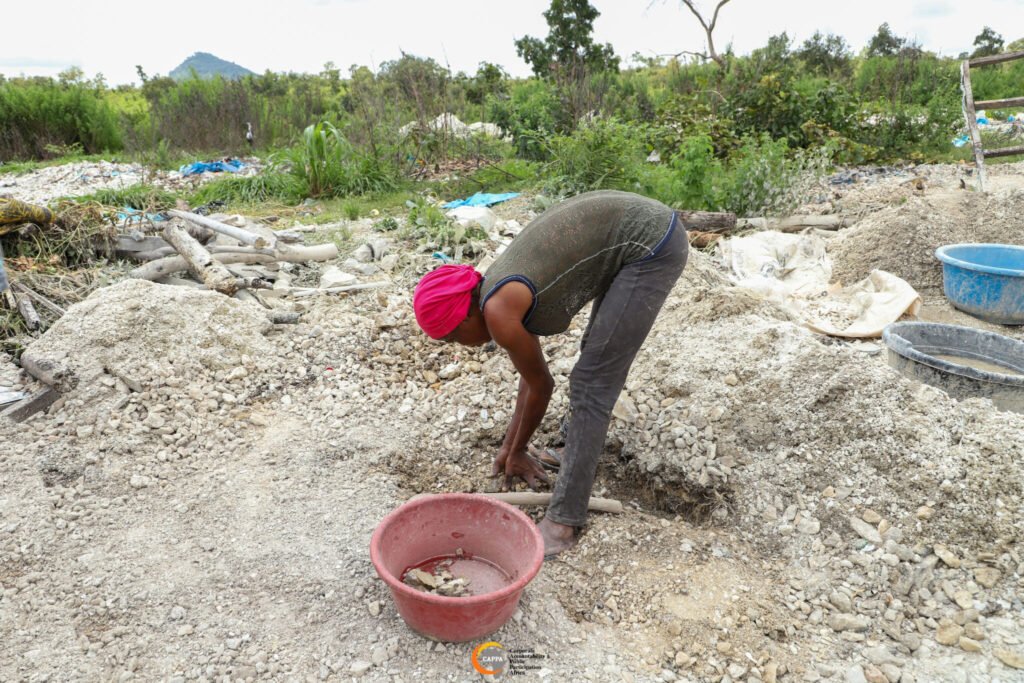
Nasarawa has emerged as an important centre of Nigeria’s lithium mining activities at a time when demand for the mineral is increasing worldwide. Lithium is a critical component of rechargeable batteries used in electric vehicles, mobile devices and energy storage systems. As governments and industries pursue cleaner energy technologies, the race to secure reliable supplies has intensified, placing resource-rich communities such as those in Nasarawa in the spotlight.
For artisanal miners, this demand offers the possibility of earning a livelihood from deposits beneath their feet. However, the prospect of economic opportunity is overshadowed by concerns about unsafe working conditions, the possible involvement of children in mining activities and the limited benefits reaching host communities.
The situation highlights a familiar contradiction in Nigeria’s extractive industries. While international markets place growing value on the country’s natural resources, the people living closest to those resources can remain exposed to environmental risks, economic uncertainty and inadequate protection.
The human cost of the lithium rush
Artisanal mining provides income for people who may have few alternative employment opportunities. In communities where formal jobs are scarce, the opportunity to extract and sell lithium-bearing minerals can appear more attractive than waiting for economic benefits promised by larger investments.

However, mining without adequate safety equipment, technical supervision and appropriate working procedures can expose workers to serious hazards. Unstable excavation sites, collapsing pits, dust inhalation and injuries associated with manual digging are among the risks that require attention wherever mining takes place.
The concerns surrounding Nasarawa therefore extend beyond how much lithium is extracted or how much investment enters the state. They also concern the conditions under which workers earn their income and whether the pursuit of mineral wealth is accompanied by adequate safeguards.
Child labour concerns make the situation particularly serious. Children who become involved in hazardous mining activities may face physical injuries, exposure to harmful substances and disruptions to their education. Although the existence and extent of child labour in particular mining locations require verification, the reported concerns demand a credible response from regulators, mining operators and community leaders.
Protecting children must remain a priority, especially in communities where household poverty can push families towards decisions that compromise schooling and safety. Enforcement alone, however, may not resolve the problem if families have no viable alternative sources of income.
A sustainable response must therefore combine effective monitoring with access to education, livelihood support and economic opportunities that reduce dependence on hazardous work.
Who benefits from the growing investment?
Beyond workers’ safety, the distribution of economic benefits presents another challenge. Increased investor interest in lithium does not automatically translate into better living conditions for host communities. The real test is whether mining activities generate decent employment, improve infrastructure, support local businesses and contribute meaningfully to public revenue.
Communities may live alongside valuable mineral deposits yet continue to struggle with inadequate roads, limited healthcare, poor access to clean water and insufficient educational facilities. Where these conditions persist, the contrast between the commercial value of extracted minerals and the everyday realities of residents can deepen frustration.
The question is particularly important as Nigeria seeks to develop its solid minerals sector as an alternative source of revenue and employment. If the lithium boom is to support economic diversification, the benefits must extend beyond mining companies, mineral traders and investors to include workers and the communities whose land and environment sustain extraction.
This requires greater transparency in mining licences, ownership arrangements, production records and revenue collection. Regulators must also ensure that operators comply with applicable environmental, labour and mining standards, while host communities need accessible channels for reporting violations and seeking redress.
Formalising artisanal mining could help improve oversight and working conditions. Rather than treating informal miners solely as a problem to be eliminated, authorities should explore practical ways to support their transition into safer, regulated operations, including training, appropriate equipment and access to legitimate markets.
Turning mineral wealth into lasting value
Nasarawa’s lithium opportunity also raises a broader policy question about Nigeria’s position in the global clean energy supply chain. The country risks remaining primarily a supplier of raw materials while other economies capture more value through mineral processing, battery manufacturing and related industrial activities.
Developing domestic processing capacity, where it is economically and environmentally viable, could create additional employment and strengthen local industry. However, such ambitions must be matched by reliable infrastructure, skills investment, environmental safeguards, and policies that encourage responsible business practices.
The federal and state governments must also enforce environmental assessments, land-use protections, and rehabilitation requirements. Mining sites should not become long-term liabilities for communities after commercially valuable deposits have been exhausted.
In the final analysis, Nasarawa’s lithium boom should be measured by more than the volume of minerals extracted or the investment announcements it attracts. Its success should also be judged by whether miners can work safely, children remain in school, communities receive tangible benefits and environmental damage is prevented or properly addressed.
The global transition to cleaner energy offers Nigeria a valuable economic opportunity. But a mineral used to power a cleaner future elsewhere should not become a source of avoidable danger and deprivation for the people who extract it. For Nasarawa, the challenge is to ensure that the promise of lithium translates into shared prosperity rather than another extractive industry in which the wealth travels far beyond the communities that produce it.


