
By Ese Ufuoma
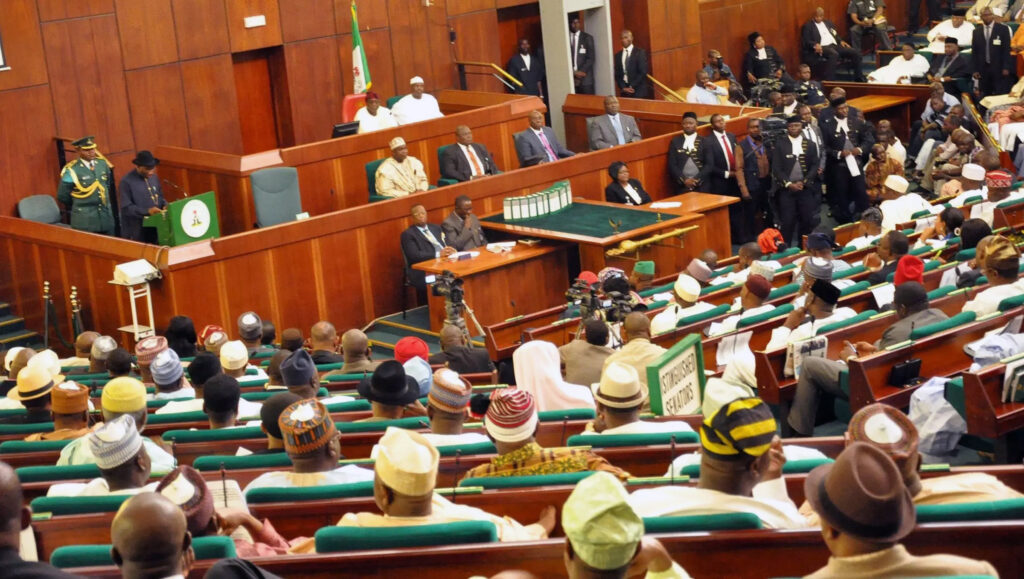
Nigeria risks a major regulatory error, according to many industry observers. The proposed law to establish a National Commission for Decommissioning of Oil and Gas Installations faces significant opposition, which continues to grow. Critics argue that the bill duplicates current efforts, adds unnecessary bureaucracy, and might scare off investors at a time when Nigeria aims to revive its oil output. Despite these concerns, lawmakers in the House of Representatives are advancing the 2024 bill. Their goal is to create a commission solely dedicated to decommissioning ageing oil and gas infrastructure. They believe this will finally guarantee that idle wells, pipelines, platforms, and other installations are safely shut down, dismantled, and rehabilitated. For them, this is an area where Nigeria has lagged, with abandoned sites often becoming environmental hazards and sources of conflict with local communities.
Supporters of the bill argue that a dedicated agency would bring more accountability and better protect communities affected by operations. They also believe it would align Nigeria with global best practices. The House Committee on Petroleum Resources (Upstream) went as far as organising a public hearing to gather input and give the proposal more legitimacy. However, the Nigerian Upstream Petroleum Regulatory Commission does not agree with the idea. In its submissions and during the hearing, NUPRC insisted that the Petroleum Industry Act of 2021 already provides a full framework for decommissioning. According to the regulator, Sections 232 and 233 of the PIA clearly give it, as well as the Midstream and Downstream authority, the power to supervise decommissioning, manage the required funds, and enforce rules. Adding another commission, they argue, would fragment oversight, duplicate functions, and place an unnecessary financial burden on the government.

The commission also points to examples from other countries. In major oil-producing nations such as Norway, the United States, and the United Kingdom, decommissioning is handled by existing petroleum regulators. There is no separate agency because splitting responsibilities tends to create confusion and delays rather than efficiency. This global picture, NUPRC says, is proof that Nigeria does not need a new body to handle work that is already addressed under the current law.
There is also the issue of money. Since April 2023, NUPRC has approved ninety-four decommissioning and abandonment plans. Together, these plans represent a liability of more than 4.4 billion dollars. To secure these obligations, the regulator says it has collected over 400 million dollars through Letters of Credit and escrow accounts. These funds are not part of regular government revenue. They are set aside strictly for decommissioning and cleanup, and this system is one that the regulator believes is already working effectively. Creating a new commission, NUPRC warns, could complicate the financial structure and weaken accountability.
Yet even with these strong arguments, not everyone stands with the NUPRC. Energy activists under the Energy Reforms Advocates of Nigeria have rejected the bill entirely, describing it as wasteful and unnecessary.
They believe the PIA already provides enough authority and that creating a new body will only stretch public resources and reduce efficiency. Meanwhile, some lawmakers who support the bill argue the opposite. They believe the current setup is not doing enough to consider the environmental and social impacts of abandoned oil infrastructure. For them, decommissioning is not just about engineering; it is also about human welfare, land restoration, and long-term safety.
Furthermore, there are fiscal concerns. The Federal Government and many stakeholders are worried about the cost of creating another agency when the country is already trying to cut down on spending. They fear this could lead to overlapping roles or inconsistencies in enforcement. And as if that isn’t enough, industry investors have also raised red flags.
Veteran oilman Austin Avuru recently questioned whether Nigeria should focus on winding down old assets when production levels remain low and operating costs are still high. According to him, shutting down assets may not be the right priority at this time. He warned that in some cases, the value of the assets may actually be lower than the cost of decommissioning them, which would create a major economic imbalance.
Despite all the criticism, NUPRC insists it is not simply resisting reform. The regulator highlights that it already has strong decommissioning rules under the Upstream Decommissioning and Abandonment Regulations of 2023. These regulations outline how companies must estimate their decommissioning costs, how they must fund them, and the plans they must submit.
Moreover, NUPRC points to recent divestment deals where companies exiting certain assets were vetted thoroughly for their technical and financial capacities. In many of these transactions, decommissioning liabilities were secured upfront through escrow arrangements, showing that the system can work when enforced properly.
All of this leads to a deeper question about Nigeria’s long-term oil strategy. Is the country preparing for a post-oil future by prioritising safe shutdowns and environmental restoration? Or is it still trying to maximise production and leaving decommissioning for later? And while the new bill promises reform, could it also create a costly bureaucracy that slows down cleanup efforts rather than helping them?
For NUPRC, decommissioning is not an optional stage in the life of an oil field. It is part of the full lifecycle, and breaking it away from the existing regulatory framework could weaken both enforcement and planning. The bill is still under review, and the House Committee on Petroleum Resources continues to take input from stakeholders. The coming months will determine whether the bill will be adopted, amended, or dropped entirely. Much will also depend on whether NUPRC can demonstrate stronger results under the current structure and whether communities and civil society groups push harder for more guarantees.
In the end, this debate goes far beyond administrative structure. It is about how Nigeria treats its ageing oil infrastructure, who bears the cost of cleanup, and how transparent the entire process will be. The calls to “Kill This Bill” are not just political noise. They reflect a deeper concern about Nigeria’s environmental future, its financial stability, and its credibility in managing an industry that remains central to its economy.
