

By Adaobi Rhema Oguejiofor
Nigeria’s housing crisis is often framed as a simple matter of supply: too few developers, too few homes, and prices that keep climbing. But industry stakeholders argue that the deeper problem lies not in a lack of builders, but in policy design, financing systems, and land administration structures that make it difficult to deliver affordable housing at scale.
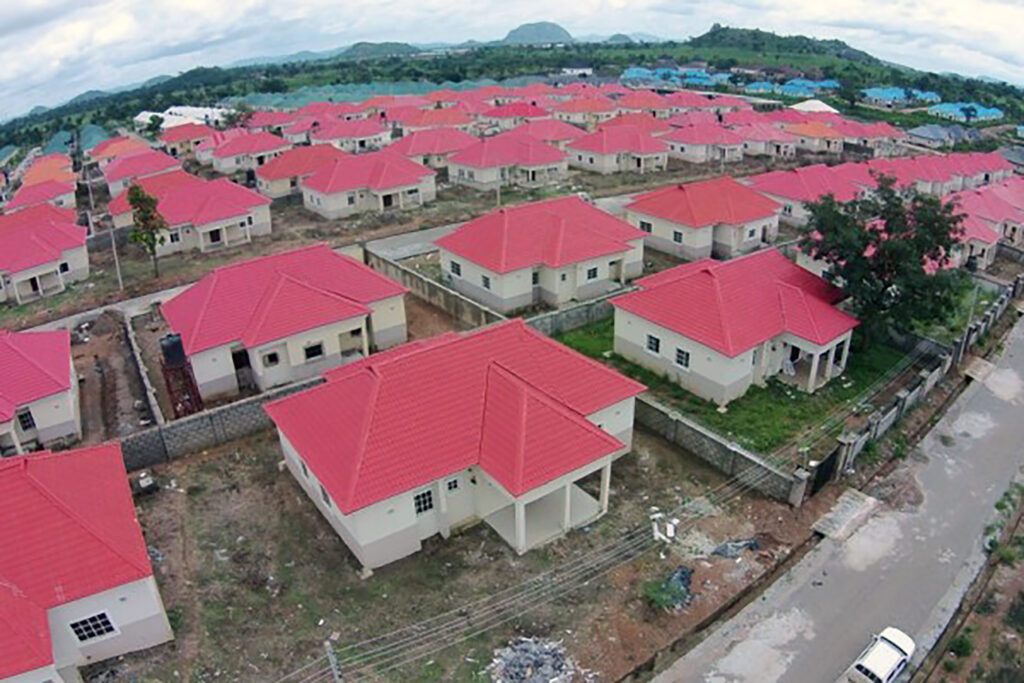
With Nigeria’s housing deficit estimated at more than 20 million units, pressure on urban centres continues to intensify. Rapid urbanisation in cities such as Lagos and Abuja has driven up land values, overstretched infrastructure and pushed home ownership further beyond the reach of middle- and low-income earners. Yet developers insist that without structural reform, increasing construction alone will not close the gap.

Financing: The Structural Weak Link
At the heart of the crisis is the cost of capital. Nigeria’s high-interest-rate environment, shaped by the Monetary Policy Rate set by the Central Bank, has made long-term bank financing prohibitively expensive for most housing projects. Developers say this effectively shuts the door on large-scale, affordable developments.
Ryan Ezekiel, founder of Zeeks Homes, argues that the current rate regime forces many developers to self-finance projects, a model that concentrates risk and ultimately inflates selling prices.
“Large capital cannot be tied down in rental housing for extended periods just to generate gradual returns,” he explains. “That is why the market tilts toward outright sales rather than rental developments.”
This financing constraint feeds into Nigeria’s weak mortgage culture. Accessible, long-term mortgage products remain limited, meaning most buyers must pay substantial portions, if not the full cost, upfront. For the average household, that is unrealistic.
The result is a circular dilemma: developers depend on advance payments to fund construction, while buyers struggle to mobilise lump-sum payments. Projects slow down, supply tightens, and prices continue to rise.
The Land Cost Burden
If financing is one structural barrier, land access is another. Land often accounts for a significant portion of housing costs in Nigeria, particularly in prime urban areas. Developers argue that government-led mass housing schemes frequently fail because they do not meaningfully reduce this cost burden.
“Land prices are too high, so housing prices end up higher than they should be,” Ezekiel notes.
He suggests that properly structured and subsidised frameworks, where developers receive land at reduced cost in exchange for delivering verified affordable units, could significantly improve supply outcomes. Transparent public-private partnerships (PPPs), if shielded from political interference and hidden charges, could scale such models nationwide.
However, without reform of land allocation systems and clearer cost frameworks, affordable housing ambitions remain difficult to realise.
Bureaucracy and Investor Uncertainty
Administrative bottlenecks compound the problem. In many states, land titling and building approvals still rely heavily on manual processes, creating delays that stretch project timelines and increase costs. Overlapping agency requirements, multiple levies and inconsistent regulatory enforcement further weaken investor confidence.
Frequent demolitions, shifting compliance rules and unresolved land disputes create additional uncertainty, particularly in major cities. Developers say unpredictability makes long-term planning difficult and increases risk premiums embedded in final home prices.
While tax reforms have sought to clarify issues such as VAT application in real estate transactions, cost transparency across agencies remains inconsistent.
Inflation and Construction Pressures
Nigeria’s broader macroeconomic environment adds another layer of strain. Persistent inflation has raised the cost of cement, steel, transport and imported finishing materials. Exchange rate volatility further affects imported components, making it increasingly difficult to deliver durable homes at accessible price points.
Industry voices argue that stabilising fiscal and monetary conditions would lower input costs and enable more predictable project pricing. Without macroeconomic stability, housing affordability will remain elusive.
What Reform Could Unlock
Across the sector, stakeholders agree that solving Nigeria’s housing deficit requires coordinated reforms rather than isolated interventions. Three priorities consistently emerge:
Mortgage expansion: Strengthening housing finance institutions and developing accessible long-term mortgage products could reduce reliance on upfront payments and stimulate demand.
Land and approval digitisation: Digital land registries and automated approval systems could shorten timelines, reduce corruption risks and cut hidden costs.
Policy alignment: Better coordination between monetary, fiscal and housing policies could stabilise the investment climate and encourage sustained private-sector participation.
If implemented effectively, such reforms could expand rental supply, encourage first-time homeownership, shorten construction cycles and gradually reduce the housing deficit.
Rebuilding the System
Developers remain essential to housing delivery, but industry leaders increasingly stress that Nigeria’s housing crisis reflects systemic constraints rather than private-sector incapacity.
As urban growth accelerates, financing structures, land policies and regulatory systems have yet to evolve in step with demographic realities. Addressing the deficit will require more than pouring concrete. It will demand rebuilding the policy architecture that determines how homes are financed, approved and delivered.
Until those structural gaps are closed, Nigeria’s housing shortage will remain not merely a matter of bricks and mortar, but of reform and political will.
