

By Ese Ufuoma
For a country that sits on one of the largest natural gas reserves in the world, Nigeria’s darkness has always felt like a cruel irony. Streetlights flicker off before midnight, factories hum briefly before generators take over, and households plan their lives around power outages that arrive without warning. Yet beneath this familiar frustration, a quieter shift is underway, one that could begin to change how Nigeria produces and consumes electricity in 2026.
Natural gas, long treated as a by-product of oil production or an export commodity, is slowly being repositioned as the backbone of Nigeria’s power future. With proven reserves estimated at over 200 trillion cubic feet, the country has more gas than it knows what to do with, and for years, much of it was simply burned off through flaring. Today, however, policy and pressure are converging, pushing gas away from waste and toward wires, turbines, and transmission lines.
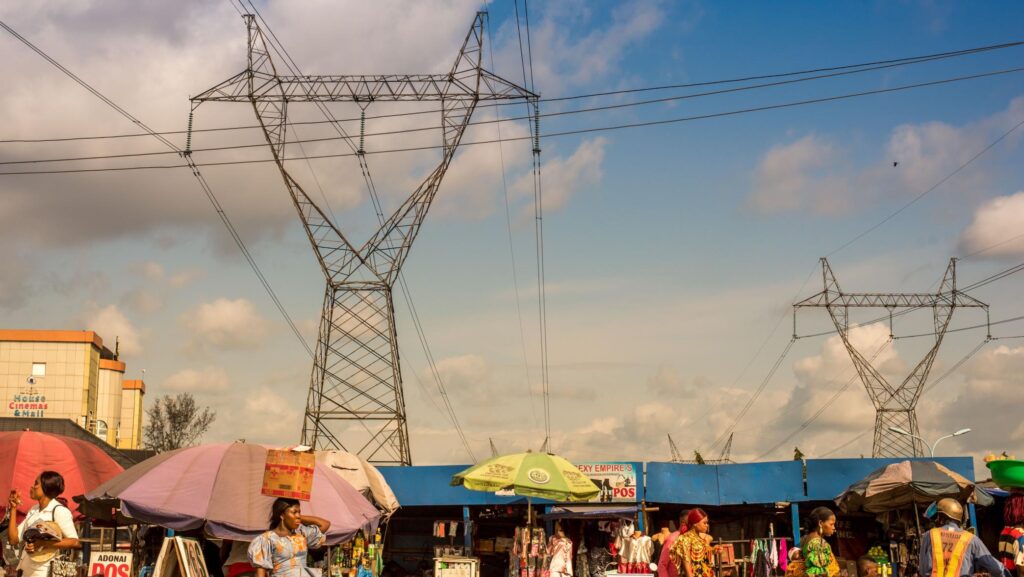
The logic is simple. Gas is cleaner than diesel, cheaper than imported fuel, and more reliable than hydro during dry seasons. It is also abundant at home, which means power generation does not have to depend on volatile foreign supply chains. In addition, gas-fired plants can be built faster than large hydro projects and can scale with demand, making them well-suited to Nigeria’s growing cities and industrial clusters.
This thinking has begun to shape real projects. New and rehabilitated gas to power plants are being tied more deliberately to domestic gas supply infrastructure, reducing the chronic mismatch between fuel availability and electricity generation. Pipelines that once served export terminals are increasingly being repurposed or expanded to feed power plants directly, while gas processing facilities are being upgraded to deliver cleaner, usable fuel to the grid. Slowly, the system is becoming less fragmented.
Furthermore, the push to end routine gas flaring has added urgency to this transition. What was once an environmental liability is now being reframed as an economic opportunity. Gas that would have disappeared into the air is being captured and redirected into power generation, helping to expand electricity supply while cutting emissions. This shift does not just improve Nigeria’s climate credentials; it also makes financial sense in a country where every additional megawatt has outsized social value.
If these projects mature as planned, 2026 could mark a turning point. More gas-fired capacity would not automatically fix Nigeria’s power problems, but it could stabilise the foundation. Reliable generation would give transmission planners firmer ground to work with and allow distribution companies to deliver power more consistently. For manufacturers, it could mean fewer production stoppages and lower operating costs. For small businesses, it could mean replacing the constant drone of generators with something closer to predictability.
However, gas alone is not a magic solution. The electricity sector remains weighed down by weak transmission infrastructure, revenue shortfalls, and long-standing trust issues between power producers and distributors. Even the best gas-to-energy projects will struggle if generated power cannot be moved efficiently or paid for reliably. This is why the current moment is so delicate. Gas investments must be matched with reforms across the entire power value chain, or their impact will be blunted.
Still, there is reason for cautious optimism. Unlike past power reforms that relied heavily on imported technology and foreign fuel, gas-to-energy builds on what Nigeria already has in abundance.
In the end, the promise of gas to energy is not just about megawatts or pipelines. It is about dignity in daily life, about children reading without candles, hospitals operating without fear of blackouts, and businesses planning beyond tomorrow. If Nigeria gets this right, 2026 may not be remembered as the year power problems ended.
