
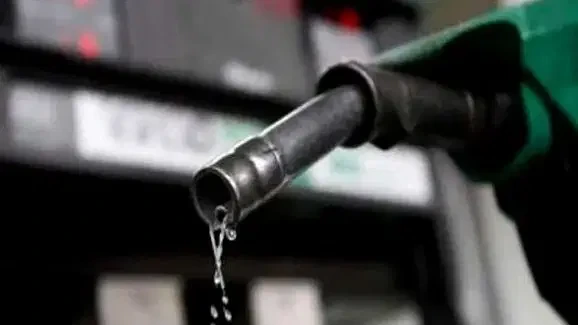
In a landmark move, Dangote Refinery, Africa’s largest oil refinery, has announced a significant reduction in its petrol gantry price to N825 per litre, effective immediately. The decision, revealed on Monday, is set to reshape Nigeria’s fuel market, offering relief to consumers and stakeholders amid rising economic pressures.
The price cut, a sharp drop from the previous N970 per litre, reflects the refinery’s commitment to supporting Nigeria’s energy affordability and reducing the burden on citizens grappling with inflation and high living costs. Aliko Dangote, Chairman of the Dangote Group, stated that the reduction aligns with the company’s vision to drive economic growth and stabilize the domestic fuel supply.
“This is a strategic move to make petrol more accessible to Nigerians,” Dangote said during a press briefing in Lagos. “We are leveraging our economies of scale and operational efficiencies to deliver value to the masses while ensuring sustainable operations.”

The announcement has sparked widespread reactions across the country. Industry analysts describe the price slash as a game-changer, potentially forcing other marketers to adjust their prices to remain competitive. The Nigerian National Petroleum Company Limited (NNPC), a key player in the downstream sector, has yet to comment on how the price reduction will impact its retail strategy.
Consumers have expressed cautious optimism, with many hoping the lower gantry price will translate to reduced pump prices at filling stations. “This is good news, but we need to see it reflected at the pumps,” said Adeola Johnson, a motorist in Abuja. The Petroleum Products Retail Outlets Owners Association of Nigeria (PETROAN) indicated that retail prices could drop to between N850 and N900 per litre, depending on logistics and distribution costs.
The price reduction comes amid ongoing efforts by Dangote Refinery to ramp up production and meet domestic demand. Since commencing petrol supply in September 2024, the refinery has processed over 1.2 billion litres of premium motor spirit (PMS), significantly reducing Nigeria’s reliance on imported fuel. The facility, with a capacity of 650,000 barrels per day, is also exporting diesel and aviation fuel to international markets.
Economic experts suggest the move could ease inflationary pressures and stimulate economic activity, particularly in the transportation and manufacturing sectors. However, they caution that sustained price stability depends on global crude oil prices and foreign exchange dynamics.
As Nigerians await the ripple effects of this bold decision, Dangote Refinery’s price slash marks a pivotal moment in the nation’s quest for energy self-sufficiency and affordability.
SOURCE: Vanguard
