

By Anastasia Adaeze
I have a quiet ritual: by the end of every year, I visit somewhere new. It is intentional. I once read that if we do not plan to enjoy life, we risk living within the limits of our immediate surroundings, never grasping how expansive the world truly is. For me, the motivation is even simpler; I intend to live fully before I leave.
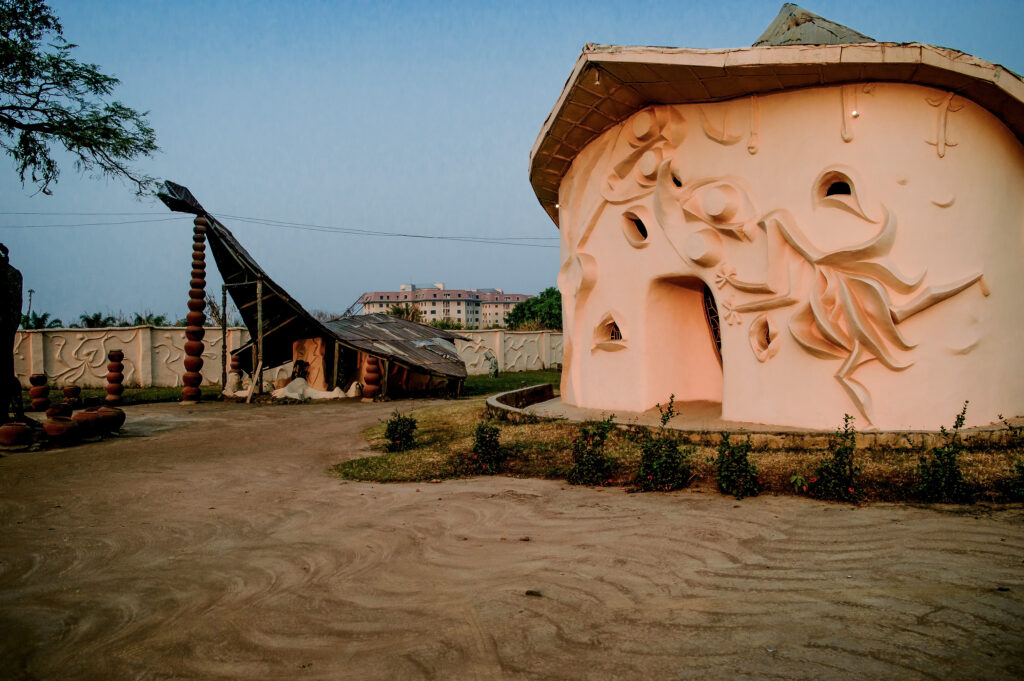
Recently, that intention led me to the Nike Art Gallery. Moving through its rooms, I encountered more than art; I encountered stories, layered, expressive, alive. Yet, in my haste to leave, I walked out without a souvenir. That small omission lingered. It revealed something deeper: the quiet satisfaction that comes from collecting meaningful objects over time.

Travel changes us, but too often, we leave that change behind at the airport.
You can stand beneath the glass pyramid of the Louvre Museum, explore human history at the National Museum of Anthropology, or watch sunrise over Mount Kilimanjaro and still return home with nothing more than photographs. But thoughtful travellers understand that souvenirs are not clutter; they are continuity. They are how we carry the world home.
Nowhere is this more meaningful than in Africa, where memory is preserved not just in words, but in objects, patterns, and craft.
Souvenirs as Portable Education
Museums and cultural sites offer more than exhibitions; they offer extended learning. A catalogue from the British Museum can illuminate centuries of global exchange. A print from the Zeitz Museum of Contemporary Art Africa introduces contemporary African voices reshaping global narratives. A guidebook from Robben Island becomes a lasting lesson in resilience.
These objects transform a moment into an ongoing intellectual journey.
In many African cultures, objects are not merely decorative; they communicate. Kente cloth from Kumasi encodes philosophy in geometric patterns. Maasai beadwork from Arusha signals identity through colour. Handwoven baskets from Kigali reflect generations of craft and agricultural knowledge.
When purchased directly from artisans, these items become more than keepsakes; they sustain livelihoods. According to UNESCO, the creative economy contributes billions globally, with cultural tourism playing a critical role across Africa.
A well-chosen souvenir, therefore, is not an indulgence; it is an investment.
Collecting with Consciousness
Meaningful collecting requires awareness. African cultural treasures have long been removed without consent and now reside in institutions such as the Metropolitan Museum of Art and the Musée du Quai Branly. Today, calls for repatriation are reshaping global museum ethics.
Travellers must respond responsibly: buy ethically, avoid sacred or antiquated objects, and understand the story behind each purchase. The goal is not to possess culture but to respect and sustain it.
A Living Atlas at Home
A thoughtfully curated home can become a quiet map of the world. A ceramic tagine from Fes reflects North African culinary heritage. A carved sculpture from Lusaka invites conversation about symbolism. Indigo textiles from Bamako echo ancient trade routes linking Africa to wider global networks.
Such objects remind us that Africa has always been interconnected through trans-Saharan trade, Indian Ocean commerce, and centuries of cultural exchange.
Souvenirs, in this sense, challenge narrow narratives. They make history tangible.
Beyond Objects
Carrying the world home is not limited to physical artefacts. Sometimes, it is sensory. A spice blend from Zanzibar carries the legacy of the Indian Ocean trade. Music from Lagos reflects Africa’s global cultural influence. A children’s book from Nairobi expands imagination through local storytelling.
These are souvenirs that integrate seamlessly into daily life through taste, sound, and narrative.
Why It Matters
In an age defined by speed, depth is rare. Souvenirs invite us to slow down, to remember and reflect.
Africa, often reduced to headlines, reveals its richness through culture and craft. And the world becomes less abstract when pieces of it exist within our homes.
To carry the world home is to reject superficial travel. It is to transform experience into understanding. It is to allow places to shape not only where we go but also how we see. Because sometimes, the smallest object holds the story of an entire world.
