

By Ese Ufuoma
Nigeria is leading an initiative to establish a regional oil-pricing template for West Africa, aiming to replace the ill-fitting global yardstick with pricing that reflects local market reality.
At a regional conference in Abuja, the Nigerian Midstream and Downstream Petroleum Regulatory Authority (NMDPRA) announced plans, in collaboration with S&P Global Commodity Insights, to introduce localised price indices for petrol, diesel, aviation fuel, and LPG. The aim is to improve market transparency, encourage regional investment, and strengthen energy security across the subregion.
Meanwhile, West Africa currently relies heavily on yardsticks rooted in Northwest Europe, the US Gulf Coast, Singapore, and the Arab Gulf, none of which consider the region’s unique supply chains or logistical costs. As the NMDPRA’s chief, Engr. Farouk Ahmed stated at the conference: “As a region, we must define our own pricing reality.”
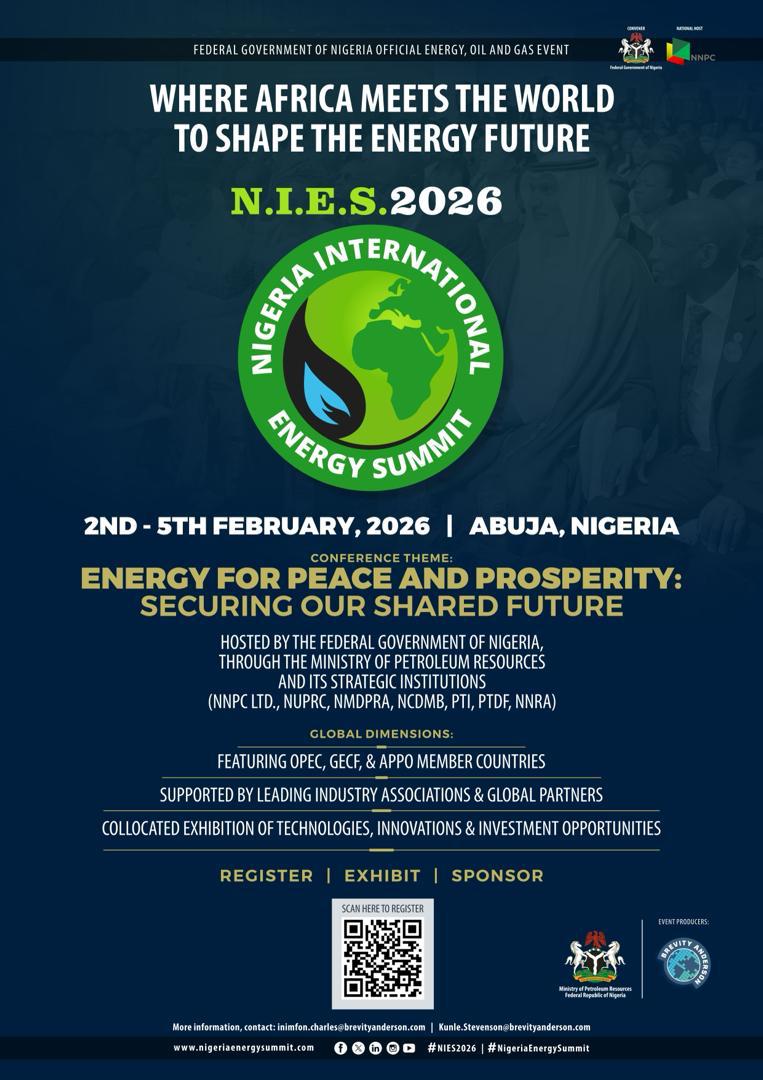
Nigeria already contributes around 31% of refined fuel traded in West Africa, largely driven by the Dangote Refinery, which can process 650,000 barrels per day and began operations last year.
Furthermore, Nigeria’s downstream sector is undergoing a transformation driven by the Petroleum Industry Act 2021, subsidy removal, and rising private investment. Establishing a regional pricing benchmark could bolster investor confidence to expand storage, logistics, and refining infrastructure.
Industry leaders are taking note. Aliko Dangote cautioned that Africa loses about $90 billion each year on imported refined fuel. He described the pricing initiative, alongside refinery expansion, as essential steps towards industrialisation and keeping value within Africa.
Senator Heineken Lokpobiri, Minister of State for Petroleum (Oil), reiterated this ambition, describing Nigeria’s role as influential in shaping West Africa’s energy landscape. He affirmed the intention to transform Nigeria into a regional refined-product trading hub, supported by liberalised markets and infrastructure upgrades.
This proposal signifies more than a simple policy adjustment; it is a strategic move aimed at controlling regional fuel prices. For West African economies, it is a welcome step towards more appropriate pricing. Supporters believe that harmonising prices across the region will also reduce trade distortions and bolster the resilience of West Africa’s energy market.
