

Keypoints
- The Federal Government says it aims to generate and wheel 6,000MW of electricity before December 2026.
- Current generation is around 5,000MW, while the Transmission Company of Nigeria has about 8,500MW of wheeling capacity.
- The government plans to commission 20 transmission projects before the end of the year.
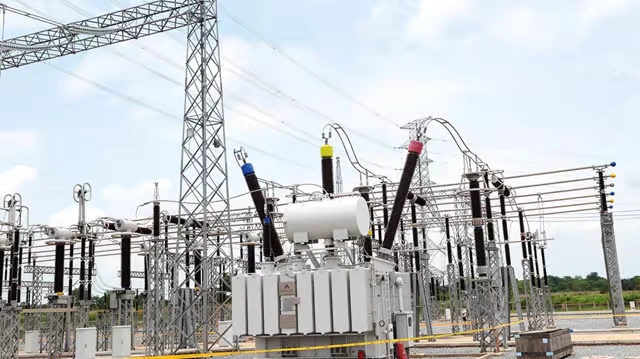
- Two new 100MVA, 132/33kV transformers have been commissioned at the Ijora Transmission Substation in Lagos.
- The Ijora upgrade raises installed transformation capacity from 90MVA to 230MVA.
- Government says the priority is not simply generation but reliable delivery of electricity to consumers.
Main Story
The Federal Government has set an ambitious target of generating and wheeling 6,000 megawatts of electricity before December, as it intensifies efforts to strengthen Nigeria’s power infrastructure, The Minister of Power, Joseph Tegbe, announced the target in Lagos while commissioning two new 100MVA, 132/33kV transformers at the Ijora Transmission Substation.
Nigeria currently generates around 5,000MW, despite the Transmission Company of Nigeria having approximately 8,500MW of wheeling capacity.
The gap highlights one of the central problems in Nigeria’s electricity sector: increasing generation alone does not guarantee that consumers will receive more power if transmission and distribution infrastructure cannot accommodate it.
Tegbe said the government plans to commission 20 transmission projects before the end of 2026, with the broader objective of creating a power system capable of reliably delivering electricity to consumers, The Ijora project is part of that strategy.
The substation previously operated with three 30MVA transformers, giving it a combined installed capacity of 90MVA. Two of those transformers have now been replaced with 100MVA units, taking total installed capacity to 230MVA, According to the minister, the intervention provides approximately 125MW of additional bulk transmission capacity.

The Issues
Can Nigeria reach 6,000MW?
The government’s target requires generation to rise from roughly 5,000MW to at least 6,000MW while ensuring that the transmission system can safely wheel the additional electricity, That means improvements are required across the entire electricity value chain, not just at generating plants.
Transmission has historically constrained generation
Nigeria has frequently faced situations where available generation could not be fully evacuated because of transmission limitations, Tegbe acknowledged that transmission infrastructure had previously been one of the major constraints in the power sector, saying the government was now addressing those structural weaknesses.
Lagos demand is rising
The Ijora project is particularly significant because it serves a major economic corridor covering industries, ports, commercial centres and residential communities.
The upgraded substation is expected to improve supply to areas including Ijora, Costain, Oyigbo, Customs and Ajegunle, as well as businesses and consumers within the Eko Disco franchise area.
Generation is only part of the problem
The government is effectively trying to shift the focus from simply asking, “How much power can Nigeria generate?” to “How much power can Nigeria reliably deliver, That distinction is critical because additional generation has limited economic value if the grid cannot transmit and distribute it to consumers.
What’s Being Said
Power Minister Joseph Tegbe: The government’s objective is not merely to increase megawatts but to build a system capable of delivering electricity reliably, at the required quality and cost.
TCN Managing Director Sule Abdulaziz: The Ijora upgrade was designed with Lagos’s growing demand in mind. Instead of replacing the old 30MVA transformers with conventional 60MVA units, TCN opted for two 100MVA transformers.
TCN: Transmission capacity must remain ahead of the generation curve. The agency says it will continue investing in substations, transformers, transmission lines and modern grid technologies.
Federal Government: The transmission programme is being positioned as part of the broader economic transformation agenda, including President Bola Tinubu’s ambition of turning Nigeria into a $1tn economy.
What’s Next
The immediate test will be whether the government can translate the infrastructure investments into a sustained increase in electricity delivered to consumers.
Key developments to watch include,
- Progress towards the 6,000MW generation and wheeling target.
- Commissioning of the remaining 20 planned transmission projects.
- Improvements in grid reliability and response times to faults.
- Additional investments in substations and transmission lines.
- Whether higher transmission capacity is matched by adequate generation.
- Whether distribution companies can deliver the additional power effectively to homes and businesses.
The Ijora project also demonstrates the government’s intention to build transmission capacity in anticipation of future electricity demand rather than waiting for the network to become overloaded.
Bottom Line
The 6,000MW target is less about a single megawatt figure and more about whether Nigeria can finally close the gap between power generated and power reliably delivered,, The commissioning of the Ijora transformers is a concrete step: installed capacity at the substation has more than doubled from 90MVA to 230MVA.
But the bigger challenge remains the entire power chain. Nigeria will need more generation, stronger transmission and more reliable distribution simultaneously to turn additional capacity into meaningful improvements for households, industries and businesses.
If the government can achieve the 6,000MW target while maintaining grid stability and completing the planned transmission projects, it would represent a significant step forward. The real measure of success, however, will be whether consumers actually experience more reliable electricity, not simply higher figures on the generation and transmission side.
SOURCE: BizWatchNigeria.Ng
