

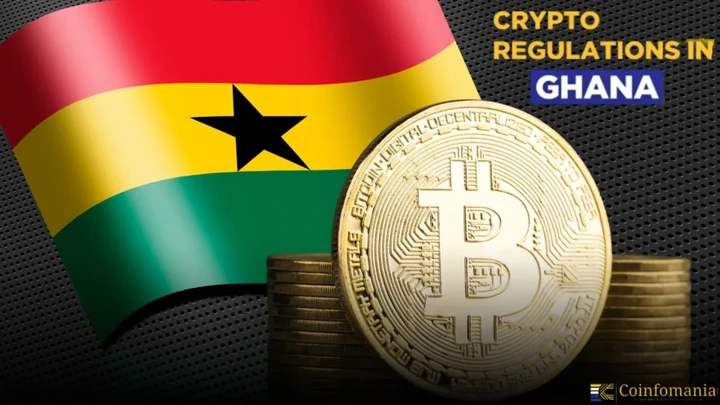
Ghana has introduced a national policy framework to regulate cryptocurrencies and virtual asset service providers, marking a significant shift from its previous cautionary stance toward formal oversight of the growing digital asset sector. The Bank of Ghana (BoG) released the policy paper, titled “Ghana’s Policy Position on Virtual Assets and Service Providers,” in early November 2025, setting out a risk-based regulatory approach designed to balance innovation with consumer protection and financial stability.
The move addresses the rapid growth of cryptocurrency adoption in the country. More than three million Ghanaians now actively participate in the virtual asset ecosystem, with over 100 Virtual Asset Service Providers (VASPs) registered during a mandatory exercise conducted in July 2025. The registration exercise provided authorities with their first comprehensive picture of digital asset activity across the nation.
The decision stems from Ghana’s 2024 National Anti-Money Laundering and Countering the Financing of Terrorism risk assessment, which found cryptocurrencies increasingly being used for payments, trading, and investment with limited oversight. Rather than imposing an outright ban, regulators concluded that prohibition would drive activity underground and eliminate any possibility of supervision.
The policy framework establishes clear requirements for all entities offering virtual asset services. Businesses involved in exchange, wallet management, custody, payments, and brokerage must register and obtain licenses based on their specific activities from either the BoG or the Securities and Exchange Commission (SEC). The licensing approach will be activity-based rather than technology-specific, focusing on the services provided rather than the underlying blockchain systems.
A cornerstone of the new framework involves implementing international anti-money laundering standards. Ghana will adopt the Financial Action Task Force (FATF) Travel Rule, requiring providers to collect and share sender and receiver information on all transfers to ensure transparency and traceability. This measure aims to prevent criminals from exploiting virtual assets for illicit financial flows while maintaining transaction visibility for regulators.
The policy assigns distinct regulatory responsibilities to prevent supervision gaps. The BoG will supervise activities related to payments and custody, while the SEC will oversee trading and investment services. The Financial Intelligence Centre (FIC) will enforce compliance with anti-money laundering and counter-terrorism financing requirements, with severe violations attracting criminal penalties.
To coordinate oversight across the digital asset industry, authorities plan to establish a dedicated institution. The Virtual Assets Regulatory Office (VARO) will act as a link between government oversight and the virtual assets industry, working with agencies such as the SEC, FIC, Ghana Revenue Authority, and National Communications Authority. This office will serve as a one-stop institution for policy development and inter-agency collaboration.
Recognizing the need for public education, especially among young people who form the largest segment of cryptocurrency users, regulators propose a comprehensive literacy initiative. The National Virtual Assets Literacy Initiative (NaVALI), developed in partnership with the SEC and Ministry of Education, will educate the public and promote safer participation. The initiative aims to protect citizens from fraudulent schemes and encourage responsible use of digital assets.

The central bank stressed that virtual assets are not legal tender and cannot be used for official settlement in Ghana. This position protects the stability of the cedi while allowing virtual assets to operate under regulated conditions. The framework builds upon Ghana’s Anti-Money Laundering Act of 2020 and aligns with standards set by international bodies including the FATF, the International Monetary Fund, and the Bank for International Settlements.
The announcement marks a major policy shift from the Bank’s earlier cautionary position. In 2018 and 2022, the Bank warned that cryptocurrencies were not legal tender and directed financial institutions to avoid processing crypto-related transactions. The 2025 policy represents a transition from warning to regulation.
The Governor of the BoG has announced at the African Leaders and Partners Forum 2025 in Washington, D.C. that the central bank intends to commence regulation of virtual assets by the end of September 2025 through the enactment of a VASP law. According to the Governor, the proposed VASP law will empower the Bank of Ghana to license and supervise the operations of entities active in the digital asset space.
The regulatory framework positions Ghana among a growing number of African countries taking structured approaches to digital asset oversight. The policy seeks to create an environment where innovation can flourish while protecting consumers and maintaining the integrity of the financial system. By establishing clear rules and supervision mechanisms, authorities aim to build investor confidence and attract both local and international participation in Ghana’s emerging digital economy.
SOURCE: newsghana.com.gh
