

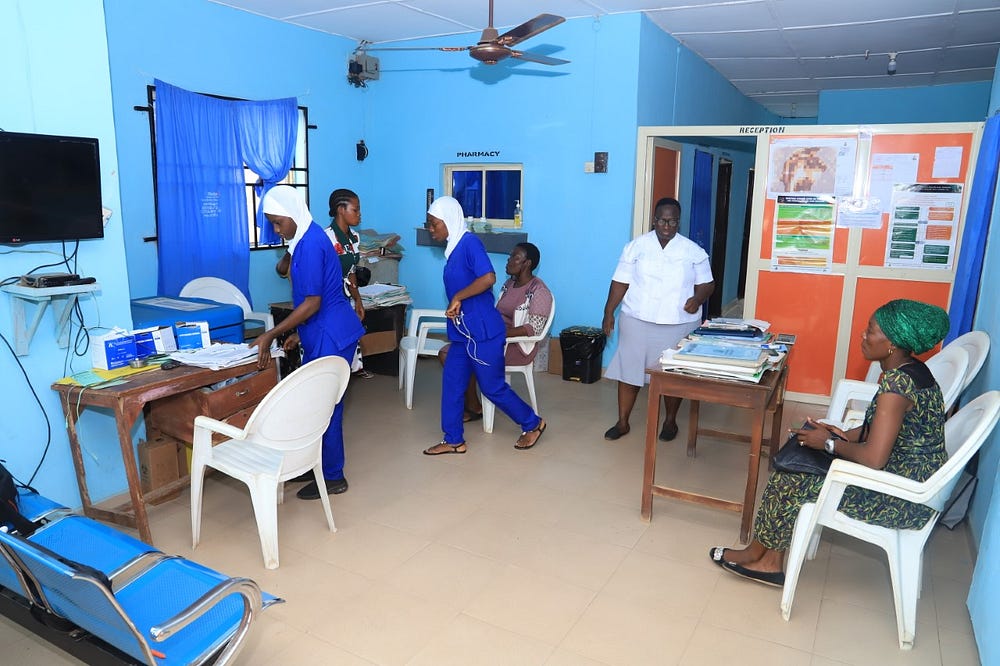
For decades, Nigeria’s healthcare sector has been in a state of crisis, characterised by inadequate infrastructure, severe brain drain, and chronic underfunding. While political leaders and affluent citizens routinely seek medical care abroad, millions of ordinary Nigerians are left to contend with dilapidated hospitals and a severe shortage of skilled professionals.
As the situation becomes unbearable, health specialists and concerned citizens are calling for a declaration of a health sector emergency and a ban on medical tourism. This term describes the practice of travelling from a country of residence to another country for the sole purpose of attaining healthcare services. However, the question has been whether this drastic step will be the turning point that forces the much-needed reforms.
Political Feasibility
The most significant hurdle to this proposed solution is its political feasibility, as a complete ban on medical tourism would directly affect the very people who hold the power to implement it: the political elite. Public and government officials, who are accustomed to flying abroad for routine check-ups, would be forced to use the same local healthcare system that the rest of the country relies on. This would create an immediate and powerful incentive for them to address the systemic failures. While this could be a major catalyst for change, it also makes the policy highly contentious and difficult to pass. Past attempts at similar legislation have stalled, often due to a lack of political will from those who would be most impacted.

Public reaction would likely be one of cautious optimism. Many Nigerians, who have long been frustrated by the disparity in access to quality healthcare, would see such a ban as a long-overdue act of accountability. However, there would also be a healthy dose of scepticism. The public is well aware of the history of government officials circumventing laws and finding loopholes. The true success of the measure would depend entirely on its rigorous enforcement.
According to a 2023 report by the Pan African Medical Journal, while all members of the public support a ban on medical tourism, citizens are still at risk of poor health services if adequate reforms are not adopted to upgrade the country’s health sector. In the report, while 59.8% respondents claimed that they engage in outbound medical tourism because the treatment cost is commensurate with the quality of treatment abroad, 52.6% of the respondents were of firm opinion that they engage in medical tourism because there are qualified health service providers abroad. Can we then conclude from this that even the public has lost hope in the country’s healthcare system?
The Structural Gaps the Ban Could Address
A declaration of emergency wouldn’t just be a symbolic act; it would serve as a powerful signal to tackle the deep structural gaps that define Nigeria’s healthcare crisis:
Financial Drain: Nigeria loses an estimated $1 billion to $1.2 billion annually to medical tourism. This staggering amount of money, if invested locally, could be transformative. A ban would effectively redirect these funds back into the domestic economy, where they could be used to build and equip state-of-the-art hospitals, purchase advanced medical technology, and fund research.
Brain Drain: The “japa” syndrome is a direct consequence of the poor working conditions, low salaries, and lack of professional development opportunities for Nigerian medical professionals. A medical tourism ban would pressure the government to address these issues. By investing in better facilities and offering competitive salaries, the country could not only retain its talented doctors and nurses, but also entice those in the diaspora to return.
Inadequate Infrastructure and Underfunding: Nigeria’s health sector is chronically underfunded, falling far below the 15% of the national budget recommended by the African Union’s Abuja Declaration. This has resulted in a decay of public hospitals, a shortage of beds, and a lack of essential equipment. A declared emergency would necessitate a significant increase in budgetary allocation and a transparent, accountable framework for how those funds are used.

A Path to Sustainable Reform
The declaration of a health emergency and a ban on medical tourism is not a perfect solution. For these actions to be a true turning point, they must be part of a broader, sustained reform agenda. The lessons from other developing countries, such as Ghana and Rwanda, show that meaningful change requires a multifaceted approach.Successful reforms often include:
Increased Budgetary Allocation: The government must commit to a significant and sustained increase in funding for the health sector, with a focus on primary healthcare centres, which serve as the first point of contact for most citizens.
Public-Private Partnerships: Encouraging private investment and creating a conducive environment for private healthcare providers can help to close the infrastructure gap and offer more options for specialised care.
Health Insurance Reform: Expanding the National Health Insurance Authority (NHIA) to cover a larger portion of the population, particularly those in the informal sector, is crucial for reducing out-of-pocket expenses and making healthcare more accessible.
Focus on Human Resources: Beyond better pay, the government must invest in training and career development programs for all cadres of health workers to improve the quality of care.
A declaration of a health sector emergency is a bold and potentially powerful move. While it presents significant political challenges, it could be the shock to the system that Nigeria’s healthcare sector desperately needs. If it forces the hands of policymakers and is backed by a sincere commitment to structural reform, it could mark a true turning point, transforming a broken healthcare system into a robust one that serves all Nigerians.
