
At a time when Nigeria is redefining its energy future amid shifting global dynamics, the role of indigenous capacity has never been more critical. From upstream exploration to downstream distribution, the push to retain value within the country is shaping policy, investment, and industry conversations. At the forefront of this transformation is the Petroleum Technology Association of Nigeria (PETAN), the umbrella body for indigenous oilfield service companies championing local content development and technological advancement.
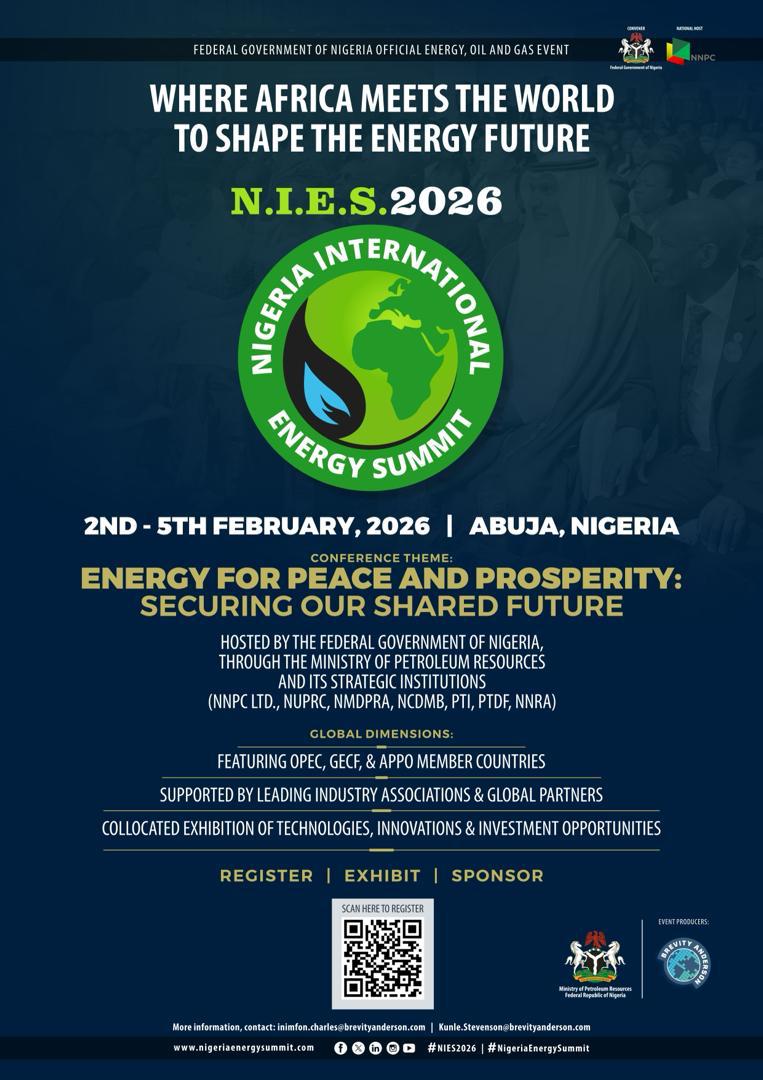
At the just-concluded Nigeria International Energy Summit in Abuja, these conversations took centre stage, bringing together policymakers, industry leaders, and investors to chart a path toward energy security and economic growth. Among the key voices was Engr Wole Ogunsanya, Chairman of PETAN and Managing Director/CEO of Geoplex Drillteq Limited, whose decades-long experience in the sector offers a unique perspective on Nigeria’s evolving energy landscape.
In this exclusive interview with The Valuechain Energy Magazine, Ogunsanya reflects on the progress of local content, the urgency of scaling production, and the strategic importance of keeping the oil and gas value chain within Nigeria and across Africa.
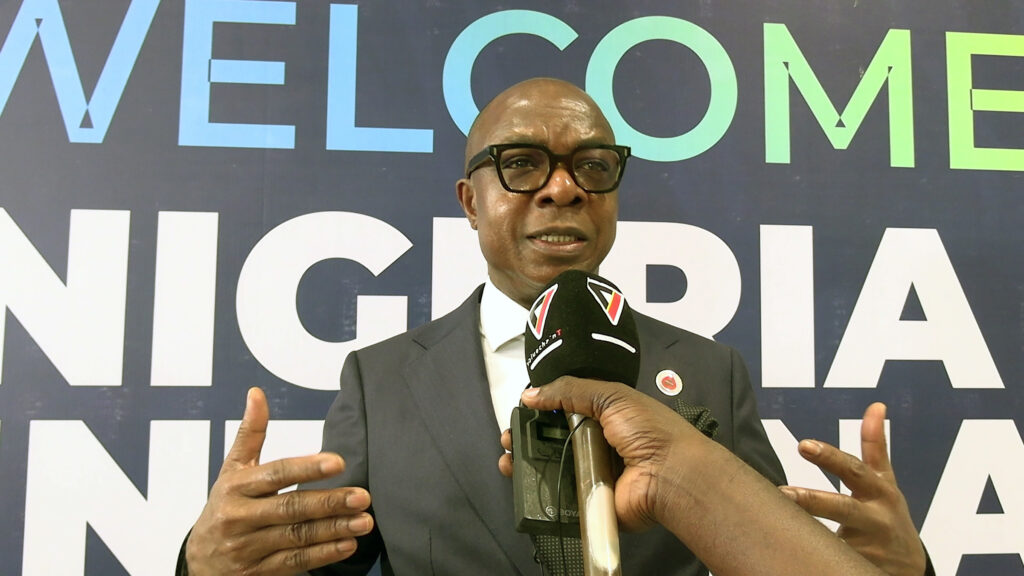
Could you introduce yourself and share a brief overview of your background and what you do?
I am Wole Ogunsanya, an engineer and currently the Chairman of PETAN, the Petroleum Technology Association of Nigeria. PETAN, as we call it, is an organisation that has been around for over 20 years, with more than 117 member companies. These are indigenous Nigerian service companies that support oil and gas production across the entire value chain.
From upstream activities like drilling wells and providing technical services to midstream processing and even downstream operations, our members are actively involved. Essentially, we provide the technology, expertise, and services that enable exploration, production, and processing of oil and gas in Nigeria.
But beyond participation, our mission is clear: we want as much of the value generated across this chain – jobs, revenue, and technical capacity – to remain in Nigeria.
What does Nigeria stand to gain from this local participation?
The gains are enormous. When you look at the oil and gas value chain, from upstream to downstream, there is significant economic value embedded in each segment. Historically, much of that value has left the country.
Our goal is to reverse that trend. To do this, we must build strong indigenous companies with the capacity, technical know-how, and financial strength to operate effectively. These companies must also invest in the right equipment and technology.
At PETAN, that is exactly what we are driving, ensuring that Nigerians are not just participants but leaders in their own industry.
What were the key takeaways from this year’s NIES?
This ninth edition of NIES has been fantastic. It provided a strong platform for dialogue on Nigeria’s energy future, especially around increasing oil and gas production.
Currently, Nigeria is producing about 1.7 million barrels of oil per day. However, our ambitions are much higher. The government has set a near-term target of 2.5 million barrels per day, with a longer-term goal of 3 million barrels.
This becomes even more critical when you consider our refining capacity. We now have the Dangote Refinery, with a capacity of 650,000 barrels per day, and additional projects like those by the BUA Group.
It simply does not make sense for a country with over 40 billion barrels in reserves to import crude to feed its refineries. We must increase production, both for export revenue and for domestic refining.
How is PETAN supporting this production growth?
Our members are already stepping up. Between the last NIES and now, PETAN member companies have collectively invested over $100 million in equipment.
To move from 1.7 million to 2.5 million barrels per day, we need rigs, drilling tools, and various forms of downhole equipment. These investments are being made by Nigerian entrepreneurs and engineers who believe in the future of this industry.
We are preparing ourselves to meet the demands of increased production and ensure that indigenous companies remain at the forefront.
Beyond oil, what about gas and energy access?
Gas is critical, not just for power generation but for domestic and industrial use. Africa, unfortunately, is energy poor. The average African consumes only about 25% of the energy consumed by a European.
Nigeria, being a leading oil and gas producer, has a responsibility to change that narrative. At PETAN, we see this as both a challenge and an opportunity. We are committed to supporting initiatives that expand access to energy across the continent.
How can African countries ensure they retain more value from their resources?
The starting point is knowledge, technical know-how, skilled manpower, and industry experience. Fortunately, Africa, and Nigeria in particular, has this capacity. Nigerians are working in oil and gas operations all over the world.
The next critical factor is policy. Nigeria has made significant progress through the Nigerian Oil and Gas Industry Content Development Act. This law ensures that Nigerians are given priority in asset ownership and service provision.
As a result, we now have strong indigenous players such as Seplat Energy and Sahara Group.
We encourage other African countries to adopt similar frameworks. Through collaboration and knowledge sharing, we can build a stronger, self-reliant energy sector across the continent.
What role is PETAN playing at the continental level?
We are championing the African Local Content Organisation, which aims to bring together stakeholders across the continent to share expertise and best practices.
At our upcoming SAIPEC event in Lagos, we will host participants from countries including Morocco, Uganda, Namibia, Ghana, Senegal, and Angola.
The goal is simple: ensure that Africa retains more of its GDP within the continent by building capacity and fostering collaboration.
Are Nigeria’s regulators on the right track and supporting your vision?
Absolutely. The regulators are doing very well. For instance, the Nigerian Upstream Petroleum Regulatory Commission recently conducted a roadshow for new assets, demonstrating transparency and consistency.
We are seeing improved engagement and a commitment to creating an enabling environment.
However, what the industry needs most now is stability: policy stability, regulatory consistency, and alignment among all stakeholders.
At PETAN, we are working closely with regulators, government institutions, and industry players, including NNPC Limited, to ensure that everyone is moving in the same direction.
What are your final thoughts on the future of Nigeria’s energy sector?
The future is bright, but it requires collaboration. Indigenous companies, multinational operators, regulators, and government must work together with a shared vision.
At PETAN, our commitment is unwavering. We will continue to invest, innovate, and advocate for policies that ensure Nigeria and Africa maximise the value of its natural resources.
Because at the end of the day, no one will develop Africa for us; we must do it ourselves. Thank you.
