
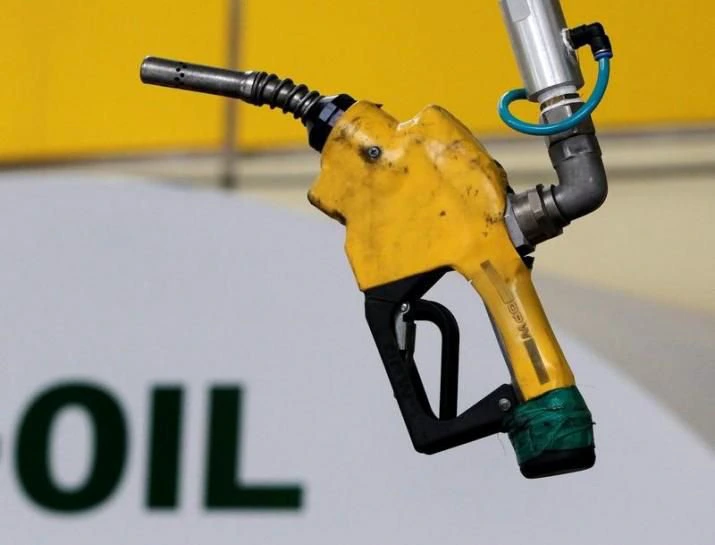
Nigeria’s domestic fuel market has come under renewed pressure following the escalation in global oil prices with petrol and diesel costs recording sharp increases that are already impacting households and businesses across the country.
According to official data presented ahead of the IMF/World Bank Spring Meetings in Washington, petrol prices have risen by more than 50 per cent, climbing from an average of ₦890–₦900 per litre to between ₦1,260 and ₦1,330 per litre.
Diesel prices have surged even further, increasing by over 70 per cent from about ₦1,100 per litre to approximately ₦1,550 per litre at peak levels.

The sharp rise in domestic energy prices follows a significant spike in global crude oil prices triggered by escalating geopolitical tensions in the Middle East.
Nigeria’s Bonny Light crude, which traded between $70 and $73 per barrel, has surged to highs of $110–$120 per barrel, reflecting supply disruptions and heightened uncertainty in global energy markets.
While higher oil prices typically strengthen government revenue for oil-producing nations, the immediate domestic impact has been inflationary.
The increase in petrol and diesel prices is feeding directly into transportation costs, production expenses, and overall cost of living, placing additional strain on consumers and businesses already dealing with elevated inflation.
Diesel, in particular, plays a critical role in Nigeria’s economy, powering industries, logistics operations, and backup electricity generation.
The more than 70 percent increase in diesel prices is expected to significantly raise operating costs for manufacturers and small businesses, many of which rely on self-generated power due to persistent electricity supply challenges.
The surge in fuel prices is also expected to ripple through the broader economy. Higher transportation costs typically lead to increased prices for goods and services, contributing to food inflation and reducing consumer purchasing power.
For businesses, rising energy costs may compress profit margins or force price adjustments, further amplifying inflationary pressures.
The development comes at a delicate time for Nigeria’s economy, which is undergoing a transition following recent reforms aimed at improving fiscal stability and attracting investment.
However, the current global shock is complicating that transition by increasing the cost of energy and putting pressure on economic stability.
Government officials have acknowledged the dual impact of rising oil prices. While the increase supports foreign exchange earnings and fiscal revenues, it simultaneously raises domestic fuel costs, highlighting the structural challenges within Nigeria’s energy system.
Efforts are ongoing to mitigate the impact, including policies aimed at supporting domestic fuel supply and maintaining stability in the energy market. However, the scale of the global price increase suggests that domestic prices will remain sensitive to external developments in the near term.
SOURCE: Investorsking
