

By Silverline Ifeanyi Onyeabor
Nigeria’s oil industry is offering grounds for cautious optimism. After years in which production disruptions, pipeline challenges and operational constraints weakened the country’s ability to maximise its petroleum resources, fresh figures from the Nigerian Upstream Petroleum Regulatory Commission (NUPRC) suggest that greater stability is returning to the upstream sector.
In September 2026, Nigeria met its Organisation of the Petroleum Exporting Countries (OPEC) crude oil production quota for the fifth consecutive month, recording average crude oil output of 1.53 million barrels per day (mbpd), excluding condensates. The Commission also reported that combined crude oil and condensate production reached a single-day peak of 1.84 million barrels during the month. Published on October 13, the report attributed the performance primarily to stable operations across most producing assets and the absence of major pipeline outages. These conditions helped improve operational uptime and crude evacuation efficiency. The figures represent more than a favourable monthly report. They raise a question central to Nigeria’s petroleum future: can improved stability become sustained production growth, stronger public revenues and renewed investor confidence?

A Five-Month Milestone
Nigeria’s production performance between May and September offers an indication of the progress recorded so far. According to NUPRC, average crude oil production, excluding condensates, stood at 1.53 million barrels per day in May, increased to 1.55 million in June, and moderated to 1.51 million in July. Output averaged 1.50 million barrels per day in August before returning to 1.53 million in September. The September figure represented approximately 102 per cent of Nigeria’s OPEC-assigned quota of 1.50 million barrels per day. Although the monthly figures do not establish a sustained upward trajectory, maintaining output at or above the assigned target for five consecutive months demonstrates greater consistency.
The Infrastructure Behind the Improvement
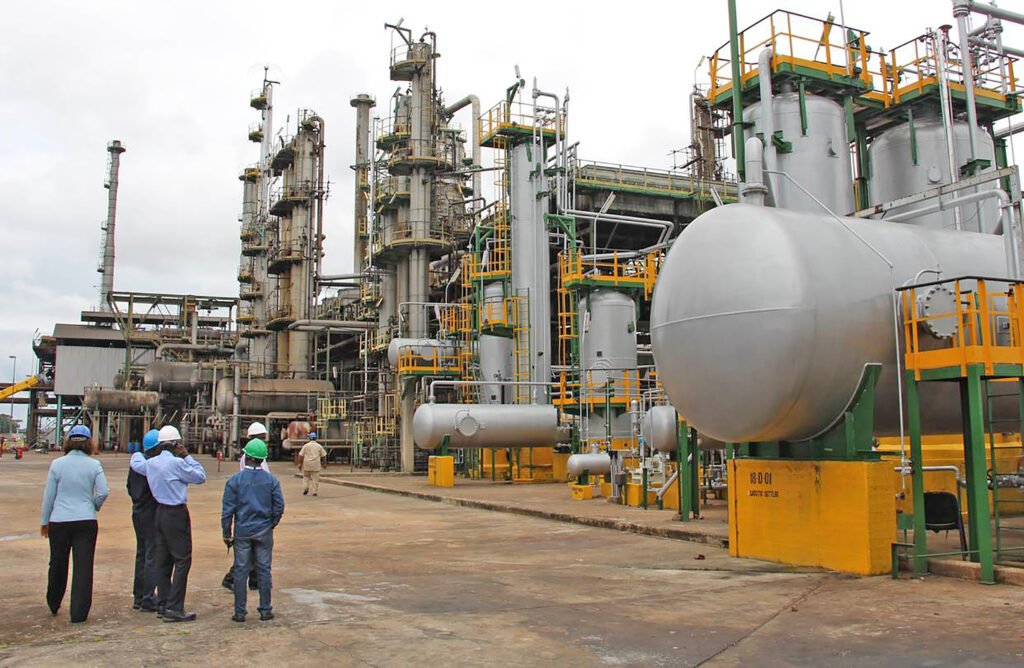
The Commission’s explanation highlights the importance of operational reliability. Oil production does not end at the wellhead. Crude must move through gathering systems and pipelines before reaching processing facilities and export terminals. Disruptions anywhere along that chain can constrain output, even when producing wells remain capable of supplying additional volumes. The absence of major pipeline outages during September appears to have contributed to improved evacuation and production efficiency. For Nigeria, this reinforces the need to treat infrastructure reliability as a central component of petroleum policy. Pipeline maintenance, effective surveillance, timely repairs and better coordination between operators and infrastructure managers are necessary to protect gains.
The industry must distinguish temporary improvements from lasting solutions. A month without major outages is encouraging, but sustainable progress requires systems capable of withstanding technical, operational and security challenges over time. Production stability must become an institutional achievement rather than a favourable circumstance.

Revenue and the Public Interest
Improved production can strengthen Nigeria’s capacity to earn foreign exchange and generate petroleum revenues. Yet the relationship between additional barrels and national prosperity is not automatic. Government earnings depend on international crude prices, production costs, fiscal arrangements, export volumes and the effective collection of revenues due to the state. Likewise, higher production does not guarantee that households will immediately experience lower living costs or better public services. The value of increased output depends on how effectively petroleum revenues are managed and invested in productive economic activities. Nigeria’s production recovery should therefore be assessed through a broader set of indicators: reliable output, reduced losses, transparent measurement, efficient revenue collection and demonstrable contributions to national development. The challenge is not simply to increase the number of barrels produced but to improve the economic value obtained from each barrel. Accountability must ensure production gains deliver benefits and strengthen confidence in the petroleum sector.
The Next Production Frontier
Nigeria’s longer-term ambitions require more than stabilising existing production. They also depend on attracting capital into new developments, rehabilitating underperforming assets and bringing commercially viable discoveries into production. On October 6, NUPRC announced a 2026 licensing round offering 40 oil and gas blocks across onshore, shallow-water and deep-water areas. The Commission said it was also targeting the restoration of more than 788,000 barrels per day of shut-in production identified across 63 operators, alongside offshore projects estimated to unlock between $30 billion and $50 billion in investment. These are significant opportunities, but licensing activity and investment intentions must translate into funded projects, completed infrastructure and actual production. Investors need confidence that projects can operate under predictable regulatory conditions, access necessary infrastructure and generate returns over their commercial lifetimes.
The Regulator’s Responsibility
NUPRC occupies a central position in sustaining the industry’s recovery. Effective oversight, credible production data and consistent regulatory administration can help operators plan investments and enable government institutions to assess sector performance accurately. Reliable measurement is particularly important. Production volumes, evacuation figures and export receipts must be reconciled to strengthen accountability and protect public value. Regulatory effectiveness also requires collaboration with operators and infrastructure managers to identify bottlenecks before they become prolonged production losses.
From Stability to Lasting Value
Nigeria’s five consecutive months of meeting its OPEC crude oil production quota provide a positive signal for the upstream petroleum industry. The achievement suggests that operational improvements can deliver results when production systems function more reliably.
Nevertheless, the real test lies ahead. Sustaining the gains will require dependable infrastructure, investment in viable assets, stronger regulatory performance and improved accountability for petroleum revenues. Nigeria must also avoid equating production statistics with economic transformation. More barrels create an opportunity; effective management determines how much of that opportunity becomes national value.
The September figures should be regarded as an encouraging milestone rather than a declaration that upstream challenges have been resolved. The country still needs durable solutions to operational disruptions, investment bottlenecks and the gap between its resource base and actual output.
Ultimately, Nigeria’s petroleum success will be measured not only by daily production volumes but also by its ability to sustain operations, attract productive investment and convert finite natural resources into enduring economic benefits. The barrels are returning with greater consistency. The next challenge is to ensure that the value they generate does the same.


