
By Ese Ufuoma
Nigeria has crude oil, Africa’s largest proven natural gas reserves and enormous solar potential. Yet millions still lack reliable electricity, fuel supply remains vulnerable to market disruptions, and businesses continue to spend heavily to keep the lights on. More than six decades after independence, the question is no longer what energy resources the country possesses, but why so much of that wealth has yet to translate into dependable power and lasting economic security.
Nigeria’s energy paradox is difficult to ignore. A country that has built much of its economic identity around petroleum exports still struggles to guarantee reliable electricity for its homes, factories, hospitals and businesses. Its underground reserves have attracted international oil companies for decades, while its gas resources offer the prospect of a more diversified energy economy. Yet for millions of Nigerians, access to dependable energy remains a daily calculation involving fuel prices, generator expenses, electricity bills and the cost of keeping a business alive.
Sixty-six years after independence on October 1, 1960, the contradiction raises a question that reaches beyond the oil industry: can Nigeria finally achieve energy independence, or will it continue to possess the resources needed to power its economy while depending on fragile supply chains, underperforming infrastructure and costly alternatives to meet domestic demand?
The answer requires a broader understanding of what energy independence means. It is not simply the ability to produce crude oil, refine petrol or generate electricity from domestic gas. A country is more energy-secure when it can reliably supply the energy its people and industries need, at prices they can afford, without being excessively exposed to disruptions beyond its control. For Nigeria, that means turning natural resources into dependable electricity, ensuring adequate domestic fuel supply, expanding access to modern energy and building an infrastructure system capable of supporting industrial growth; by that measure, the country’s progress remains incomplete.
Nigeria’s natural endowment is not in doubt. The Nigerian Investment Promotion Commission identifies proven natural gas reserves of approximately 209 trillion cubic feet, among the largest in the world, alongside substantial hydropower potential and an estimated solar resource of up to 427 gigawatts. Natural gas already supplies most of the country’s grid-connected thermal electricity generation, making it central to any realistic effort to improve power supply in the near term.
The difficulty lies in converting this abundance into usable energy. Gas reserves underground do not automatically translate into gas delivered to power plants. Crude oil in a producing field does not guarantee that a domestic refinery will receive sufficient feedstock. And installed electricity generation capacity does not mean that the power can be generated, transmitted and distributed to consumers when they need it.
These distinctions explain why Nigeria’s energy challenge cannot be solved by counting reserves or announcing new projects alone. The country must build and maintain the infrastructure connecting its resources to the people and businesses that depend on them.

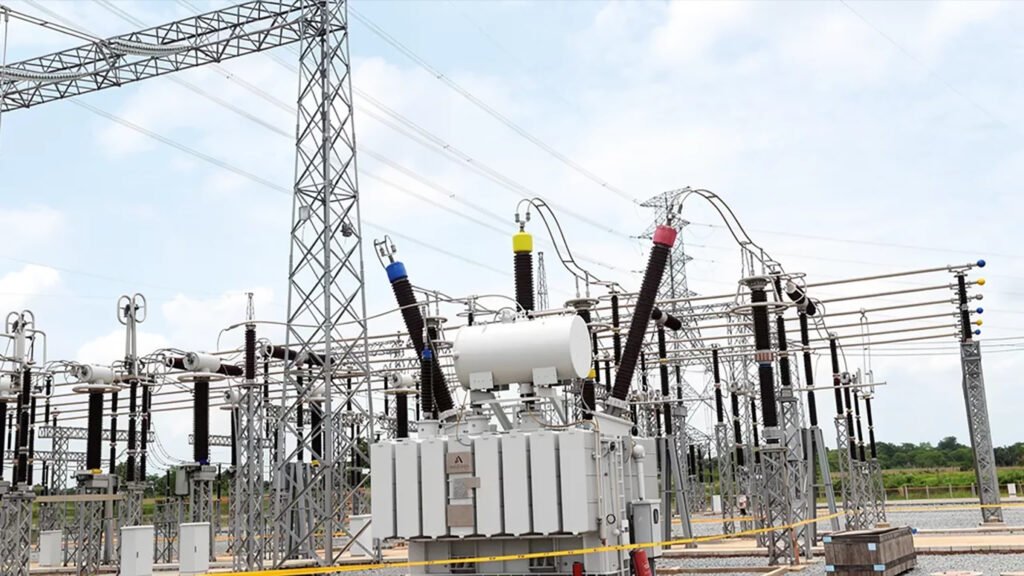
Nowhere is that gap more visible than in electricity generation. Data published by the Nigerian Electricity Regulatory Commission show that the country’s grid-connected power plants had an average available capacity of 4,758 megawatts in August 2026. Although this represented the capacity available for dispatch, it was not the same as the country’s total installed capacity or the electricity ultimately delivered to consumers.
For an economy of Nigeria’s size, the limitations are significant. Manufacturers need predictable power to plan production and manage costs. Hospitals require electricity for essential equipment, refrigeration and emergency care. Small businesses need reliable supply to preserve stock, operate machinery and serve customers. Households, meanwhile, must organise ordinary life around a supply that can be difficult to predict.
Where the grid falls short, generators and other alternatives fill the gap. But that solution comes at a price. Businesses must purchase equipment, maintain engines, buy fuel and absorb the cost of running operations independently. Those expenses can eventually appear in the price of food, transport, manufactured goods and services. Poor electricity supply is therefore not merely an inconvenience for consumers; it is a constraint on productivity, investment and employment.
The problem is compounded by the condition of the wider power system. Even where generation is available, gas supply constraints, transmission limitations, distribution failures and equipment breakdowns can prevent electricity from reaching its intended destination. Increasing generation alone cannot resolve these weaknesses. Nigeria needs a system in which power plants can operate consistently, transmission infrastructure can carry the electricity produced, and distribution networks can deliver it safely and reliably to customers.
The federal government’s energy transition strategy acknowledges several of these structural barriers, including unreliable grid supply, affordability challenges, transmission and distribution losses, insufficient network capacity and difficulties attracting investment. Its stated ambition is to expand access while developing a more sustainable energy mix, with natural gas playing a transitional role as renewable technologies grow.
However, Nigeria’s electricity challenge is only one side of its energy dependence. The other lies in the petroleum products market, where the country’s long-standing struggle to maintain functional domestic refining capacity has made fuel supply a persistent economic and political concern.
For Nigeria, the goal should therefore be more than replacing imported petrol with locally refined petrol. It should include a dependable commercial framework through which domestic producers can supply refineries, refineries can secure the crude they need, and consumers can access products without recurrent shortages or unnecessary supply disruptions.
Meanwhile, the country’s natural gas resources offer another route towards energy security, provided the industry can address the gap between reserves and delivery. Gas can support electricity generation, industrial heating, fertiliser production and other activities that create value beyond the export of raw hydrocarbons. Expanded gas infrastructure could also support industries that require dependable energy to operate competitively.
But the availability of reserves is only the starting point. Production must be commercially viable, pipelines must connect supply to demand, gas processing facilities must function efficiently, and power plants must be able to obtain the fuel required to generate electricity. Investment must also reach the infrastructure that has historically lagged behind the country’s resource potential.
The Electricity Act 2023 created a framework for greater participation by state governments in electricity markets, opening additional possibilities for generation, transmission and distribution arrangements within the country’s evolving power structure. But decentralisation alone will not guarantee reliable electricity. States need the capacity to regulate their markets, attract investment, develop viable infrastructure and protect consumers. Without careful coordination, a more decentralised system could reproduce existing problems at a smaller scale rather than resolve them.
Financing will remain another decisive factor. Expanding power generation, rebuilding transmission infrastructure, extending gas pipelines and deploying renewable energy systems require substantial capital. Public funds alone are unlikely to meet every need, making private investment essential. However, capital will flow more readily when projects are commercially credible, payment systems are dependable, regulatory decisions are transparent, and investors can reasonably assess the risks involved.
For ordinary Nigerians, the ultimate test will be whether these investments change the cost and reliability of everyday life. Energy independence should mean fewer hours lost to power failures, less money spent keeping generators running, more competitive production costs for manufacturers and better access to electricity for schools, hospitals and small businesses. It should also mean that the country’s petroleum resources generate greater domestic value without leaving consumers excessively vulnerable to fluctuations in international markets.
This is why October 1 should serve as more than an annual reminder of Nigeria’s political independence. It should also prompt a harder assessment of the economic foundations required to sustain that independence. A country cannot fully realise its productive potential when the energy needed to manufacture goods, preserve food, transport people and power essential services remains unreliable or unaffordable.
Nigeria does not need to choose between using its oil and gas resources and investing in renewable energy. It needs to use its existing resources more effectively while building a system that is increasingly diversified, resilient and accessible. Domestic refining can reduce exposure to imported petroleum products. Better gas infrastructure can support electricity generation and industrial activity. Solar power and mini-grids can extend access to underserved communities. Stronger transmission and distribution networks can help ensure that electricity generated actually reaches consumers.
The real challenge is making these efforts work together, with clear responsibilities, credible financing and measurable targets. That means tracking how much electricity is generated and delivered, how many households gain reliable access, how much domestic refining contributes to local demand, and whether investments are reducing the cost of doing business. It also means publishing results openly enough for Nigerians to judge whether progress is being made.
Sixty-six years after independence, Nigeria has little reason to doubt the potential of its energy resources. The harder question is whether it can build the institutions, infrastructure and commercial systems required to turn that potential into dependable power and broad-based prosperity.
Energy independence will not arrive with the commissioning of a refinery, the discovery of another gas field or the announcement of a new solar project. It will emerge when those investments form part of a functioning system that supplies homes, powers industries and supports economic growth without repeatedly exposing the country to avoidable shortages and disruptions.


