

By Anscella Obike
When Dolly Parton passed away in August 2026 at the age of 80, the world mourned more than a country music legend. It lost one of the rare cultural figures whose influence transcended entertainment, politics, geography, and generations. Rising from a humble two-room log cabin in the Smoky Mountains of East Tennessee, Parton built a career that spanned seven decades, producing more than 3,000 songs, selling over 100 million records, and becoming one of the most recognisable entertainers in history. Yet her greatest achievement was not measured in awards or album sales, but in the millions of lives she quietly transformed through literacy, philanthropy, and community development.
Long before female empowerment became a corporate slogan, Parton demonstrated what true artistic independence looked like. Early in her career, Elvis Presley expressed interest in recording her song I Will Always Love You. His manager demanded half of the publishing rights as part of the deal. Parton refused, sacrificing what could have been a career-defining opportunity. It proved to be one of the smartest business decisions in music history. Years later, Whitney Houston’s iconic recording turned the song into one of the biggest-selling singles of all time, generating royalties that enabled Parton to invest not only in her own future but also in the communities that shaped her.
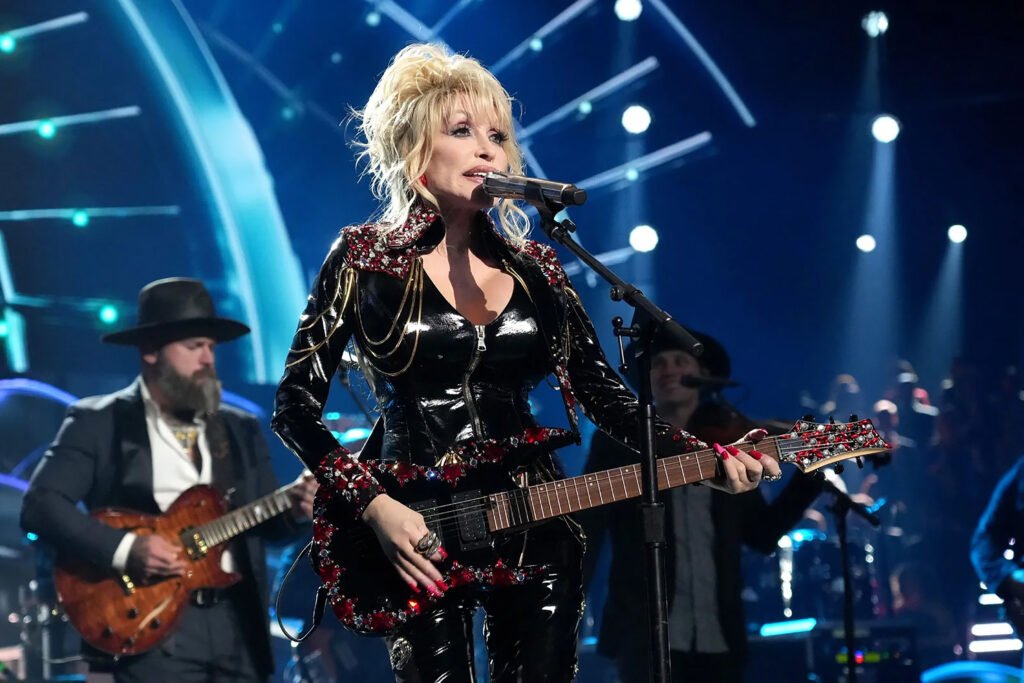
In an industry known for exploiting young artists, Parton maintained remarkable control over her career. She transformed her glamorous, rhinestone-covered persona into a powerful business brand while retaining ownership of her music catalogue and expanding into film, television, publishing, and tourism. Behind the larger-than-life image was a shrewd entrepreneur who understood that creative ownership was the foundation of lasting influence.
If music built her fortune, philanthropy defined her purpose. In 1995, she established the Imagination Library through the Dollywood Foundation in honour of her father, who never learned to read or write. What began as a local literacy project in Sevier County, Tennessee, grew into one of the world’s most successful early childhood reading initiatives. The programme provides children from birth to age five with a free, high-quality book every month, regardless of family income. By the time of her passing, more than 200 million books had been distributed across the United States, Canada, the United Kingdom, Australia, and Ireland. Educators have repeatedly credited the initiative with improving literacy outcomes and fostering a lifelong love of reading among millions of children.
Parton’s commitment to her roots was equally evident in her economic investments. Rather than relocating her wealth to celebrity enclaves, she chose to build opportunities in East Tennessee. The opening of Dollywood in Pigeon Forge in 1986 transformed the region into one of America’s leading tourism destinations. The theme park became Tennessee’s most-visited ticketed attraction, creating thousands of jobs, supporting local businesses, and serving as a powerful engine of economic growth for the Smoky Mountains.
Her compassion was perhaps most visible during moments of crisis. After devastating wildfires swept through the Great Smoky Mountains in 2016, Parton launched the My People Fund, providing displaced families with $1,000 each month for six months, offering immediate relief without burdensome bureaucracy. During the COVID-19 pandemic, she donated $1 million to Vanderbilt University Medical Center, helping support critical research that contributed to the development of the Moderna vaccine.
Perhaps Dolly Parton’s greatest gift was her ability to unite people. Admired by country traditionalists, Hollywood celebrities, political conservatives, progressives, and marginalised communities alike, she treated everyone with warmth, humility, and respect. At a time of deep cultural division, she remained a figure who inspired admiration across ideological and generational lines.

Dolly Parton’s enduring legacy is not simply the music she wrote or the fame she achieved. It is the example she set. She showed that success is most meaningful when it creates opportunities for others, that influence is strongest when guided by generosity, and that genuine kindness can become a force as powerful as talent itself. Beyond the rhinestones and unforgettable songs, she leaves behind a blueprint for how wealth, creativity, and compassion can enrich entire generations.
