
By Ese Ufuoma
Late September, Nigeria’s celebrated march toward fuel independence hit an unexpected roadblock, not from machinery failure or lack of crude oil, but from the people who make the system run. Workers at the Dangote Refinery downed tools, pausing operations and exposing the fragile balance behind the nation’s biggest energy system. A labour dispute at the Dangote Petroleum Refinery quickly spilt into a nationwide upset, unions ordered crude and gas supplies cut, a short strike swept parts of the oil sector, and for a few tense days, the country felt the shock of how fragile its fuel system still is.
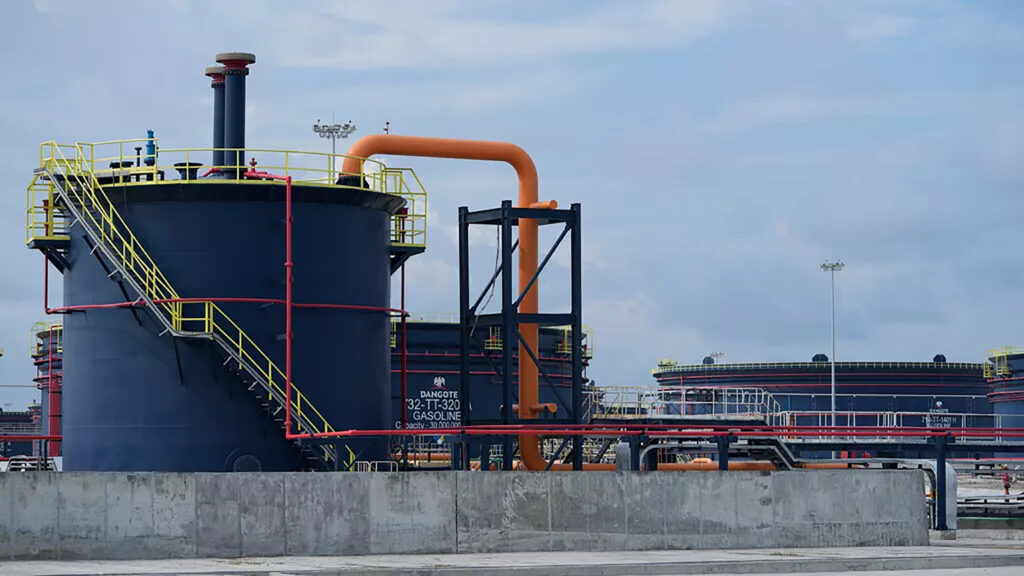
The row started inside the Dangote refinery. Workers said management dismissed more than 800 unionised staff after they began organising, while the company described the move as a reorganisation intended to boost efficiency and safety. The union, the Petroleum and Natural Gas Senior Staff Association of Nigeria (PENGASSAN), saw the dismissals as unfit and promptly ordered branches to halt gas and crude supplies to the refinery. That order set off a chain reaction.
Unions argued that replacing Nigerian staff with foreign workers and disciplining pro-union employees was intolerable. The refinery’s management said some dismissals were part of restructuring and, in some reports, accused elements of sabotage. The clash was not just about jobs; it cut to workers’ rights, local employment, and how a strategic national asset should be run.
When PENGASSAN ordered the supply halt on September 27–28, key upstream staff walked away from roles that keep pumps, platforms, and plants running. The result was immediate: crude deliveries and some gas supplies were curtailed, operations at nearby facilities were disrupted, and the Dangote plant designed to process up to 650,000 barrels per day felt the pressure. Within days, Nigeria’s oil production fell sharply; some estimates put the shortfall at roughly 200,000–283,000 barrels per day during the worst of the stoppage, and analysts reported an overall loss of about 16% of daily production during the three days of action.
The strike’s effects went beyond crude numbers. Cargoes were delayed, export loadings postponed, and power generation dipped as associated gas supplies were affected. When staff or contractors refuse to work, the complex choreography that keeps oil and gas flowing breaks down fast.
The dispute put the government in an uncomfortable spot. Dangote’s refinery is no ordinary plant. It’s billed as a game-changer for Nigeria and the wider West African market, with government deals earlier allowing some fuel sales in naira under crude-for-naira arrangements. So when unions threatened supplies, ministers moved in to mediate. The labour ministry convened talks; after conciliation, unions agreed to suspend the strike, and the government and Dangote reached assurances about reassignment and protection of pay for affected workers.
The row also reignited broader debates: how to balance corporate reorganisation with workers’ rights, how strategically vital assets should be governed, and whether big private projects can be allowed to run without strong national oversight. Politicians, clerics, and industry figures weighed in publicly, some defending the unions’ rights, others warning against crippling the economy.
For ordinary Nigerians, the worry was simple: could this reduce the availability of petrol and push prices up? In the short window of the strike, Dangote suspended sales of petrol in naira, citing unsustainable crude allocations and operational constraints, a move that risked complicating the local currency picture and allowing more sales into dollars. The combination of local unrest and export ambitions raised real fears about domestic supply tightness and price volatility.

Markets and marketers began to feel the tension, delayed loadings, rescheduled shipments, and worries about demurrage costs. But because the stoppage lasted only a few days and the government stepped in fast, the immediate national fuel crisis was contained. Still, the episode showed how one dispute at a single site can threaten supply chains across the country.
By early October, unions and Dangote had reached terms under government-facilitated talks: the strike was suspended, and arrangements were made to reassign dismissed staff within the Dangote group without loss of pay, while affirming the right to unionise.
Unions (NUPENG & PENGASSAN) agreed to call off industrial action pending implementation of those commitments. The refinery reopened operations under non-union staff and business continuity plans while conciliation continued.
But the peace is fragile. The core grievances, claims of wrongful dismissals, allegations of replacing Nigerians with foreign staff, and the broader question of how labour rights are protected in mega projects, were only partially addressed on paper. Union leaders signalled they would watch implementation closely; critics warned that unless firm safeguards are put in place, fresh flare-ups remain possible.
As of today, operations at Dangote are back, but with heightened sensitivity. The refinery has resumed under contingency measures; unions say they have halted nationwide strike action after guarantees were made, and the government says it will monitor compliance. Businesses are bracing for aftershocks: legal challenges, lingering distrust between management and unions, and potential operational hiccups if promised reassignment and protections are not delivered.
For consumers, the immediate threat to petrol supplies has receded, but the lasting lesson is plain: in a country still building its industrial backbone, labour relations are as much a part of energy security as pipelines and tanks. One sacked line manager, one frozen supply valve, one angry union branch any can become the spark that darkens pumps and delays shipments.
